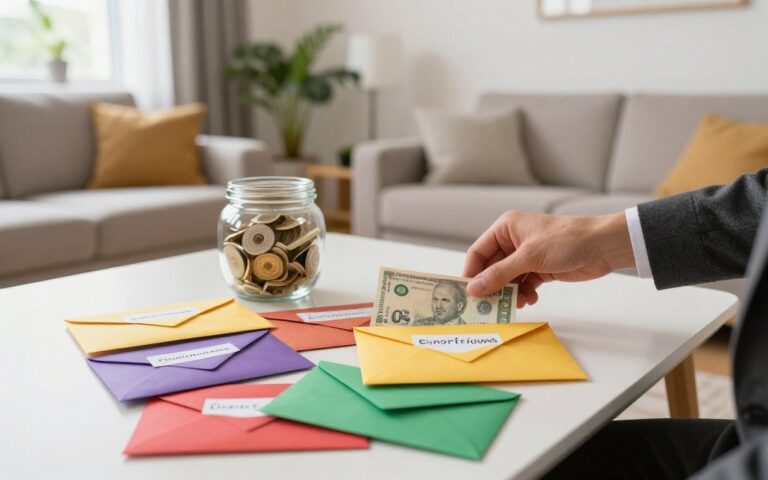

Advertisement
Did you know that nearly 70% of consumers experience discomfort when spending money? This emotional response, often termed the pain of paying, can significantly shape how we make purchasing decisions.
Imagine standing in line, contemplating whether to splurge on that expensive coffee. The hesitation you feel is more than just a moment of indecision; it’s a reflection of how we emotionally connect with our spending. This reaction varies based on payment methods, timing, and perceived fairness.
For instance, using cash can make the loss of money feel immediate and tangible, while credit cards and mobile payments often create a sense of detachment. This abstract nature of spending can lead to impulsive decisions, making it crucial to understand how these feelings affect our choices.
In this article, we will explore the fascinating research surrounding this topic, including insights from experts like Ofer Zellermayer and Brian Knutson. By understanding the pain involved in spending, both consumers and businesses can create more mindful and responsible purchasing experiences.
Understanding the Pain of Paying: Definition and User Intent
Many consumers feel a sense of unease when they part with their money. This emotional discomfort is often referred to as the pain of paying. It reflects how individuals emotionally connect with their spending decisions.
This concept was first introduced by Ofer Zellermayer in his 1996 Ph.D. dissertation. He challenged earlier theories that suggested payment decisions were solely based on rational calculations. Instead, Zellermayer demonstrated that the emotional experience surrounding payments can be influenced by various factors.
What Is the Pain of Paying?
The pain of paying is the emotional discomfort associated with giving up money for a product, service, or experience. Researchers use the term “pain” not to imply physical injury, but to describe the feelings of avoidance and discomfort that spending can trigger.
Why Does the Pain of Paying Matter in Everyday Spending?
This idea is crucial for managing everyday budgets. When the payment burden feels lighter, people are more inclined to make purchases. Conversely, when the loss feels significant, it often leads to more cautious spending.
Identifying User Intent Around Spending Decisions
Understanding this emotional aspect helps identify why many search for insights on spending discomfort. People often seek ways to control their purchases and understand how different payment methods can influence their behavior.
Zellermayer’s research highlights that factors such as fairness, control, timing, and the purpose of a purchase can shape the emotions tied to payments. Recognizing these elements can empower consumers to make more informed spending choices.
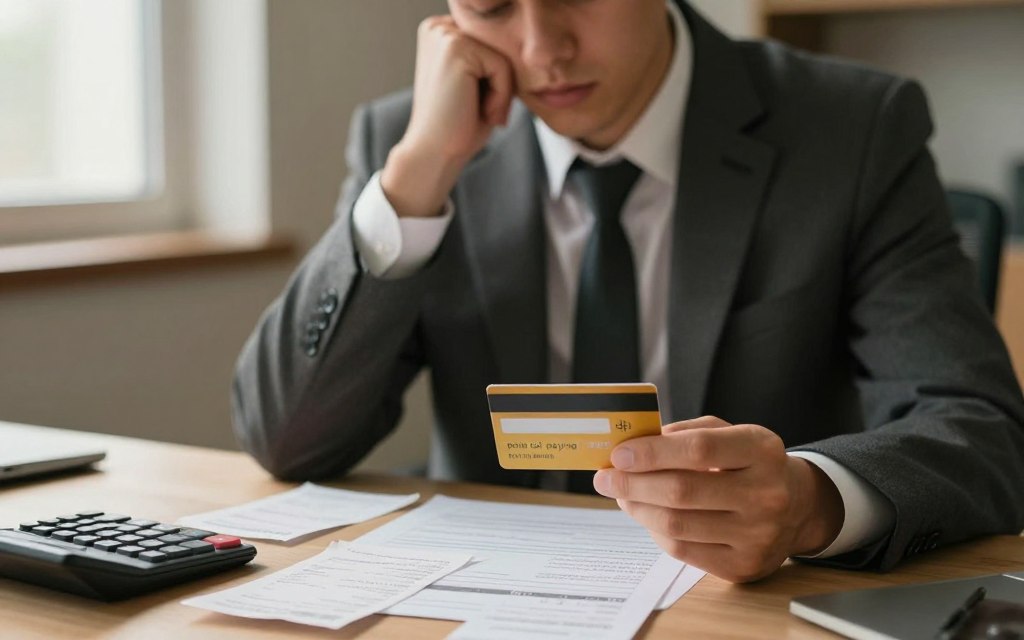
The Science Behind the Pain of Paying: Psychological and Neurological Insights
The feelings we associate with spending can significantly influence our buying habits. Understanding these emotions helps clarify why consumers often hesitate at the checkout. This hesitation stems from a complex interplay between anticipated pleasure and the discomfort of financial loss.
One key area of focus is the brain’s response during purchasing decisions. Research by Brian Knutson and his team utilized fMRI technology to observe how consumers react to products and their prices. Their findings revealed that when individuals are exposed to appealing products, the nucleus accumbens activates. This region is tied to feelings of reward and pleasure.
However, when prices are perceived as too high, other brain areas become active. The insular cortex and the prefrontal cortex respond to these situations. The insular cortex is linked to feelings of discomfort and aversion, explaining why high prices can trigger a warning signal. Meanwhile, the prefrontal cortex evaluates whether the anticipated benefits justify the financial cost.
These findings highlight a psychological conflict at the heart of spending. Consumers often expect joy from a product while simultaneously feeling negative emotions about its price. This duality plays a crucial role in their purchasing decisions.
| Brain Region | Function | Role in Spending |
|---|---|---|
| Nucleus Accumbens | Reward pathway | Activated by appealing products |
| Insular Cortex | Aversive reactions | Responds to high prices |
| Prefrontal Cortex | Decision-making | Evaluates cost vs. benefit |
It’s important to note that neuroscience does not imply every transaction creates literal physical discomfort. Instead, it reveals overlapping systems involved in discomfort, avoidance, reward, and decision-making. By understanding these mechanisms, consumers can better navigate their spending experiences.
The Influence of Physical Pain on Spending Behavior
Research shows that experiencing physical discomfort can significantly alter how we perceive spending. This relationship is particularly relevant for the approximately 20% of Americans who live with chronic pain. Understanding how physical pain affects spending behavior offers valuable insights for consumers and marketers alike.
Studies conducted by Eugene Chan reveal that physical discomfort can compete with financial discomfort for our limited attention. When individuals are in pain, their focus shifts, leading to a reduction in the psychological burden associated with spending. This phenomenon is crucial, as it suggests that those experiencing physical pain may exhibit weaker spending restraint.
One notable experiment involved exposing participants to cold water. Those in physical discomfort reported a lower pain of paying compared to those without such experiences. This indicates that the intensity of physical injury plays a significant role in diminishing the discomfort associated with financial transactions.
Furthermore, it’s essential to distinguish physical pain from general negative emotions. The intensity of an injury, rather than merely feeling upset, is what drives the reduction in payment pain. This understanding has practical implications for consumers, financial counselors, and marketers.
Marketers should consider how pain or medical stress can influence spending decisions. Additional safeguards may be necessary to protect consumers who are dealing with physical discomfort. By recognizing these dynamics, businesses can develop strategies that cater to consumers’ emotional states during purchasing.
| Study Aspect | Findings | Implications |
|---|---|---|
| Chronic Pain | 20% of Americans experience it | May influence spending habits |
| Attention Mechanism | Physical discomfort competes with financial discomfort | Can reduce payment pain |
| Cold Water Experiment | Participants in pain reported less payment pain | Highlights distraction effects on spending |
How Different Payment Methods Affect the Pain of Paying
Different methods of payment can dramatically influence how we feel about spending. The way we choose to pay can affect our perception of financial loss and ultimately shape our spending habits.
Paying with Cash: Increased Salience and Spending Control
When consumers pay cash, they physically hand over a limited amount of money. This action makes spending very visible. As a result, they can immediately see their remaining balance decrease, which heightens the emotional impact of the transaction.
Research by Carey Morewedge and colleagues revealed that customers who paid with cash spent an average of $6.65, while those using credit cards spent $11.45, and debit card users spent $11.08. This suggests that cash payments increase the salience of financial loss, making consumers more cautious.
Credit Cards and Debit Cards: Anesthetizing the Pain
Credit cards separate consumption from payment, effectively anesthetizing the discomfort associated with spending. George Loewenstein noted that because consumers do not physically hand over money at the point of purchase, they may feel less emotional weight when using credit cards.
In a study involving a Boston Celtics ticket auction, participants instructed to use credit cards bid almost twice as much as those paying with cash. This demonstrates how credit cards can encourage higher spending by reducing the immediate sense of loss.
Mobile Payments: The Least Painful Payment Method
Mobile payments may feel even less painful than credit cards. Research by Pisani and Atalay in 2018 found that smartphones reduce payment salience. Since we use our phones for various activities beyond buying products, the act of spending can feel more abstract.
In summary, while cash payments may enhance spending control by making financial loss more tangible, credit cards and mobile wallets offer convenience. However, they require careful budgeting and transaction tracking to avoid overspending.
| Payment Method | Average Spending | Emotional Impact |
|---|---|---|
| Cash | $6.65 | Increased awareness of loss |
| Credit Cards | $11.45 | Reduced emotional weight |
| Debit Cards | $11.08 | Moderately reduced awareness |
| Mobile Payments | Varies | Least awareness of loss |
Special Consideration: Compulsive Buying and Reduced Pain of Paying
Compulsive buying can often lead to a cycle of temporary relief followed by renewed anxiety. This behavior is not merely a hobby; it represents a serious behavioral and financial concern for many individuals. Compulsive buyers often find themselves grappling with uncontrollable urges to shop, which can lead to significant negative consequences.
Research from Penn State University highlights that compulsive buyers typically report lower discomfort when spending money. They tend to have more credit card debt and a greater number of physical cards compared to non-compulsive buyers. This lower emotional impact associated with spending may make it harder for them to pause before completing a purchase.
Anxiety and Compulsive Shopping Behaviors
Many people engage in compulsive shopping as a way to alleviate anxiety. This anxiety-purchase-relief cycle can create a temporary escape from distress. However, once the shopping episode ends, the initial relief often gives way to feelings of regret and renewed anxiety.
Lower Pain of Paying in Compulsive Buyers and Use of Credit Cards
Frequent credit card use among compulsive buyers contributes to reduced visibility of financial loss. When people use credit cards, the immediate emotional impact of spending diminishes. This makes it easier for them to overspend without feeling the weight of their financial decisions.
Treatment Approaches Focused on Payment Awareness
To help manage compulsive buying behaviors, several strategies can be effective:
- Implement cash-based budgets to increase awareness of spending.
- Reduce the number of open credit lines to limit impulsive purchases.
- Encourage spending delays, allowing time to reconsider purchases.
- Conduct transaction reviews to assess spending habits.
- Seek professional mental health support when necessary.
It’s essential for individuals experiencing uncontrollable buying urges or significant debt to seek qualified financial and clinical assistance. Relying solely on self-help techniques may not be sufficient for managing these challenges.
Mental Accounting and Contextual Factors that Shape Payment Experience
Consumers often navigate complex emotional landscapes when making purchases. This journey is influenced by how they mentally categorize their money and the context surrounding each transaction. Understanding these factors can provide valuable insights into spending behavior.
Perceptions of Fairness, Investment, and Control
One significant aspect of mental accounting is how fairness affects our feelings about spending. A purchase may feel less painful when it is perceived as fair or viewed as an investment. For example, when people believe they are getting good value, the discomfort associated with spending diminishes.
Additionally, spending for others can alter perceptions. When purchasing gifts, individuals often feel more justified in their spending, viewing it as a positive investment in someone else’s happiness. This highlights how context plays a crucial role in shaping emotional responses to payments.
Prospective Accounting and Payment Timing Preferences
Prospective accounting refers to the enjoyment consumers experience when payment occurs before consumption. This concept suggests that paying upfront can reduce the reminders of spending during an extended experience, such as a vacation or subscription service. By settling payments in advance, individuals can focus on enjoying the experience without the burden of financial reminders.
How Context Influences Spending Decisions
The context in which spending occurs can significantly influence decisions. For instance, people tend to be more price-conscious in everyday situations, like grocery shopping, compared to special occasions such as traveling or celebrating milestones. During these moments, they may accept higher prices, viewing them as worthwhile investments.
It’s essential for readers to reflect on whether a purchase feels valuable due to its actual benefits or because the surrounding context alters their mental accounting. This awareness can lead to more mindful spending habits.
Business Strategies to Ease the Pain of Paying
Businesses can implement strategies to alleviate the discomfort customers feel when making purchases. By focusing on how payments are perceived, companies can enhance the buying experience and encourage customer loyalty.
One effective approach is bundling products or services into a single package. This method reduces the number of separate payment moments, making the overall transaction feel less burdensome. When customers see a clear price for a bundle, they can better compare value without feeling overwhelmed by individual costs.
Bundling Products to Increase Value and Reduce Payment Pain
Mixed bundling combines package offers with the option to buy items separately. This flexibility helps customers feel they are making informed choices. It’s crucial that these bundles communicate genuine value rather than obscure fees or limit customer options.
The Power of “Free” in Consumer Decision-Making
The psychological allure of “free” can significantly influence buying behavior. Research by Dan Ariely shows that consumers often prefer a free product over a paid alternative, even if the price difference is minimal. However, businesses must be cautious; deceptive free offers can erode trust and lead to negative perceptions.
Optimizing Payment Cycles and Upfront Payments
Businesses should also consider how payment cycles align with customer cash flow. Larger payments made a few times a year may feel less burdensome than frequent smaller charges. Offering upfront payment options can enhance enjoyment by eliminating reminders of spending during the experience.
Transparency is key. Pricing pages should clearly disclose total costs, renewal dates, and any additional fees. This clarity helps customers make informed decisions and builds trust in the brand.
Ultimately, easing the discomfort associated with payments should enhance the customer experience. It’s important that businesses do not exploit reduced awareness to encourage unaffordable spending.
Real-Life Examples and Case Studies Demonstrating the Pain of Paying
Real-world examples can illuminate how emotional responses affect spending decisions. By examining various case studies, we can better understand the impact of payment methods on consumer behavior.
Carey Morewedge’s Grocery Store Study on Payment Methods
One insightful study by Carey Morewedge focused on how different payment methods influence spending. The research found that customers who paid with cash spent an average of $6.65. In contrast, credit-card users spent $11.45, while debit-card shoppers averaged $11.08.
This example demonstrates that the method of payment alone can lead to materially different spending levels. Cash payments create a tangible sense of loss, which can make consumers more cautious about their purchases.
Nintendo’s Bundling Success Story
Nintendo’s experience with mixed bundling from 2001 to 2005 provides another compelling example. They offered Game Boy Advance and Game Boy Advance SP consoles alongside video games, both as separate purchases and as a bundle.
This strategy led to a significant increase in sales, with console sales rising by approximately 100,000 units and software sales exceeding one million units. When Nintendo only offered bundles or no bundles, sales dropped by about 20%. This shows that giving customers both options enhances the perceived value of the bundle.
GetResponse’s Free Trial Button Experiment
Another interesting case is GetResponse’s experiment with a “Free Trial” button placed next to the “Buy Now” option. This simple addition increased free-account registrations by an impressive 158.6%, without negatively impacting paid-account purchases.
This example illustrates how a well-placed free offer can attract customers without undermining paid conversions. It highlights the importance of reducing payment friction, which can change how consumers evaluate value, risk, and timing when making purchases.
These case studies reveal patterns that can guide businesses in their strategies. However, it’s essential to remember that these examples are not guarantees. Companies should test their offers with their audience and measure total revenue, retention, satisfaction, and refund behavior.
Conclusion
The emotional aspects of spending are more complex than many realize. This article highlights how feelings influence what people buy, how much they spend, and when they stop. Cash makes financial loss visible, while credit cards and mobile payments can lessen this awareness.
Moreover, physical discomfort and anxiety can alter spending habits. Compulsive buyers often experience lower awareness of their financial decisions. Mental accounting shows how fairness, control, and the purpose of a purchase shape the payment experience.
To enhance awareness, consumers can set cash budgets, review transactions, and evaluate total costs rather than just payment formats. Businesses should prioritize transparency in pricing, offer honest bundles, and clearly disclose recurring charges. This approach fosters a better customer experience.
Lastly, it’s essential to notice when a purchase feels unusually painless. Low payment awareness can be convenient but risky, as it may remove meaningful control over spending.