
Advertisement
Nearly 50 billion connected devices will be online by 2030. This number will touch almost every room, office, and street in the United States and beyond.
Connected devices and technology are changing our lives. They include smart devices in our homes and wearables on our wrists. The internet of things links sensors, apps, and cloud services for seamless experiences.
This change affects everyone. It brings convenience, saves energy, improves safety and health, and opens new economic opportunities. Faster mobile networks, cheaper sensors, cloud computing, and platforms from big names have made smart devices common.
In the sections that follow, we will define the landscape, explore key IoT technologies, weigh benefits and risks, and forecast trends. This will help readers adopt connected technology wisely.
What Are Connected Devices?
Connected devices are everyday items with sensors, processors, and network interfaces. They collect and share data. These devices are found in homes, factories, and cars. They help people and systems monitor conditions, automate tasks, and get insights in real-time.
Definition and Examples
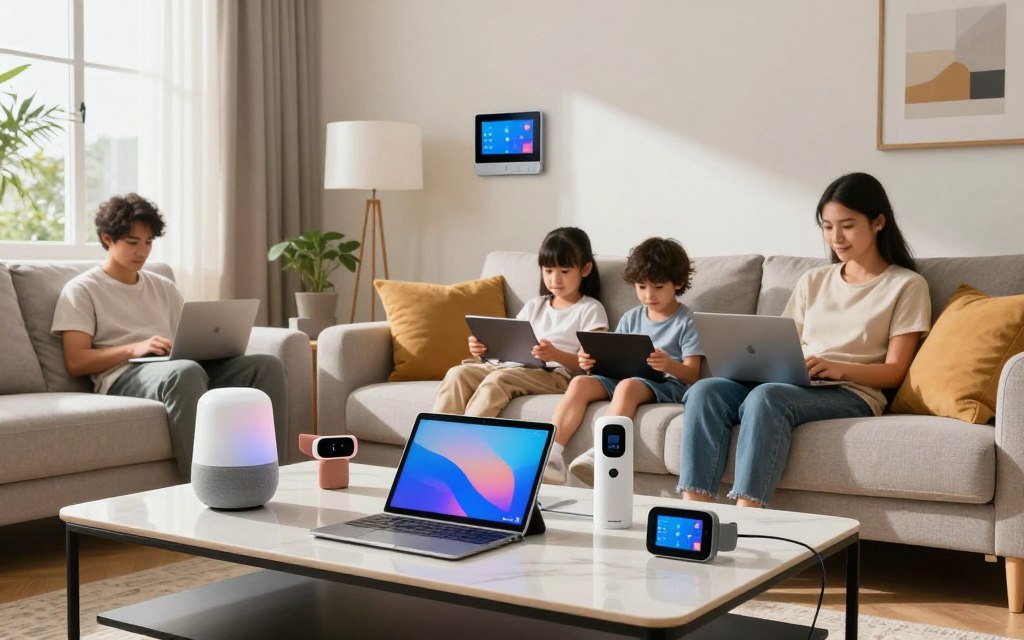
IoT devices combine sensing, compute, and connectivity. They interact with the world. Examples include smart speakers like Amazon Echo and Google Nest, and smart thermostats like Nest and Ecobee.
Wearables like the Apple Watch and Fitbit are also IoT devices. Home security uses smart locks from August and Schlage. Connected appliances like the Samsung Family Hub refrigerator change kitchen and laundry routines.
Industrial settings use sensors from Siemens and Honeywell. Connected cars include Tesla models and Ford SYNC vehicles. These items fall into categories like smart home devices, wearable health trackers, industrial IoT gear, and automotive telematics.
How They Work
Most smart devices have a common architecture. Sensors collect raw data. Microcontrollers or edge processors then process this data.
Connectivity modules like Wi-Fi, Bluetooth, and cellular/5G send data to cloud platforms or local hubs. Cloud services like AWS IoT, Microsoft Azure IoT, and Google Cloud IoT manage devices. They handle security, analytics, and more.
Data is processed with analytics or machine learning. Systems send control commands, firmware updates, or notifications back to devices. Communication uses standards like MQTT and HTTP/REST. Interoperability is improved through APIs and ecosystems like Amazon Alexa and Google Home.
The Rise of the Internet of Things (IoT)
The internet of things is changing how we live and work. It uses sensors, edge compute, and cloud platforms to make small devices smart. This makes connected technology more affordable and useful for daily life.
Key IoT Technologies
Sensors and MEMS can measure things like motion and temperature. They help smart devices understand their surroundings. Edge computing, like NVIDIA Jetson, makes things faster by processing data locally.
Cloud services like AWS IoT Core handle big data for many devices. They offer scalable solutions for IoT needs.
Machine learning and AI make devices smarter over time. They predict maintenance and detect problems. Frameworks like TensorFlow and PyTorch help in personalizing device behavior.
The Role of Connectivity
Choosing the right network is key for IoT devices. Bluetooth LE is good for home automation. Wi-Fi and Ethernet are better for high-bandwidth needs.
Low-power networks like LoRaWAN and NB-IoT save battery life. Cellular and 5G are great for mobile and high-speed applications.
Reliable networks are crucial for telemedicine and self-driving cars. Features like quality of service and 5G network slicing ensure performance.
Real-World Applications
Smart homes use connected technology for convenience. Amazon and Google have made it easy to integrate smart devices into our lives.
In industry, predictive maintenance saves time and money. Companies like Siemens use sensors to prevent failures. Precision farming in agriculture increases yields and saves water.
Healthcare benefits from remote monitoring and telehealth. Transportation uses fleet tracking and V2X to improve safety and logistics. These examples show how IoT turns data into action.
Benefits of Connected Devices in Daily Life
Connected technology is changing our daily lives. It makes managing time, comfort, safety, and health easier at home. Networked devices simplify routines, saving energy and offering peace of mind.
Enhanced Convenience and Efficiency
Smart home devices automate tasks like setting schedules for lights and thermostats. This makes mornings easier. Scenes can start multiple actions with just one tap or voice command.
Smart thermostats from Nest and Ecobee save energy by learning your habits. They use sensors to adjust heating and cooling. Smart plugs and energy monitors show which appliances use the most power.
Voice assistants like Alexa, Google Assistant, and Siri connect your calendar, shopping lists, and routines. They save time and make daily tasks easier. This keeps your devices working together smoothly.
Improved Home Security
Smart locks from August and Yale work with video doorbells like Ring and Arlo. They let you see and talk to visitors from anywhere. Networked devices send alerts and store clips in the cloud for later.
Geofencing locks and unlocks your home automatically as you arrive or leave. You can choose between professional monitoring or local storage, based on your budget and privacy needs.
Two-way audio, real-time alerts, and integrated systems act as a deterrent and evidence in case of incidents.
Health Monitoring and Wearables
Wearables from Apple, Fitbit, and Garmin track your heart rate, sleep, steps, and activity. Some have fall detection and ECG features for medical events.
Medical-grade remote monitors, like FDA-cleared devices and continuous glucose monitors, send data to telehealth platforms and EHRs. This helps manage chronic diseases and improves doctor oversight.
For older adults, connected devices offer emergency response, medication reminders, and location tracking. They boost independence and safety, keeping caregivers informed.
Challenges and Concerns
Connected devices make life easier but also raise serious risks. They collect a lot of data and need complex connections. We need to be careful in three key areas.
Privacy Issues
Many smart devices track our audio, video, health, and habits. This data can share our private lives.
Companies might share our info with advertisers. It’s important to read privacy policies and control our data.
In the U.S., laws like HIPAA and the California Consumer Privacy Act protect some data. But, there’s still no single federal law to cover all data types.
Data Security Risks
Weak passwords and outdated software leave devices open to hackers. Past attacks, like Mirai, show how vulnerable devices can be.
Weaknesses in the supply chain and unsigned updates add to the risk. Using secure boot and signed updates helps protect devices.
To stay safe, use strong passwords, multi-factor authentication, and keep software updated. Choosing trusted vendors with clear security practices is also key.
Dependence on Technology
Using cloud services or one vendor can be risky. Internet outages can shut down smart home systems.
Not everyone has the same access or skills. Broadband costs and digital literacy affect who can use smart devices.
Too many alerts can stress us out and lower our privacy standards. It’s important to use technology wisely and have backup plans.
Connected Devices in the Workplace
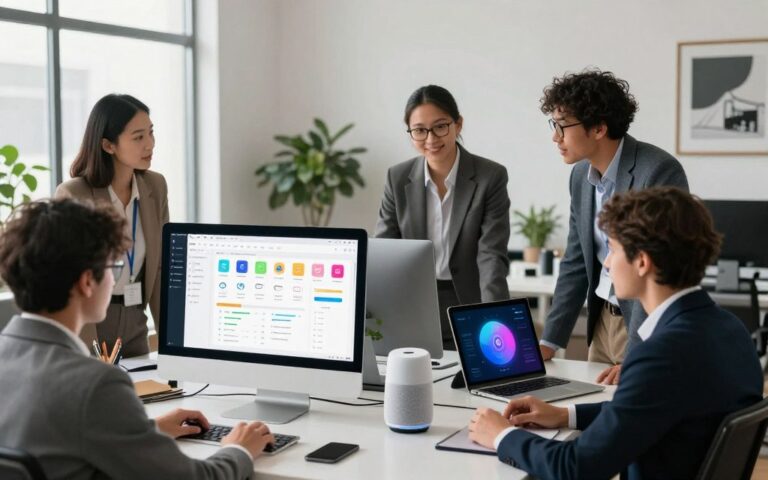
Workplaces are changing fast as connected devices become essential. Offices now use smart devices to save energy and make meetings better. These changes rely on technology that connects sensors, software, and people across different places.
Smart Office Solutions
Companies like VergeSense and Density use sensors to track how much space is used. They work with HVAC controls and Philips Hue lighting to cut energy costs. IoT devices also help predict when machines will break down, avoiding downtime.
Access management has evolved beyond just badges. Smart locks and systems that don’t need badges work with HR and security platforms. This makes it easier for visitors and keeps buildings safe without slowing people down.
Remote Collaboration Tools
Modern meetings use connected hardware like Logitech camera bars and Google Jamboard or Microsoft Surface Hub whiteboards. These tools make it easier for teams to work together, whether they’re in the office or at home.
Platforms like Zoom, Microsoft Teams, and Slack work with presence sensors and calendars. This leads to fewer scheduling problems and fewer missed meetings. Virtual desktops and edge devices also support remote work, thanks to strong connected technology.
Employee Productivity Enhancements
Wearables and desk sensors help employees manage their time and posture. They encourage workers to move, improving comfort and focus. Automation in warehouses and retail, like Zebra Technologies scanners and Amazon robotics, speeds up work and reduces mistakes.
Data from sensors gives managers useful insights. They use these insights to improve staffing, layout, and workflows. This leads to better productivity and employee wellbeing.
| Use Case | Examples | Benefits |
|---|---|---|
| Space Optimization | VergeSense, Density, desk sensors | Reduced real estate costs, better seating allocation |
| Energy and Maintenance | Philips Hue for business, IoT predictive maintenance | Lower energy bills, less downtime for equipment |
| Collaboration | Logitech camera bars, Google Jamboard, Microsoft Surface Hub | Smoother hybrid meetings, clearer communication |
| Access and Security | Smart locks, badgeless entry systems | Tighter security, seamless visitor management |
| Productivity Automation | Zebra Technologies scanners, Amazon robotics | Faster fulfillment, fewer human errors |
| Employee Wellbeing | Wearables, sit-stand sensors | Better ergonomics, improved focus and health |
The Future of Connected Homes
The next wave of home upgrades will make life easier and greener. Smart home devices will manage energy, keep things safe, and learn our habits. This means saving money and reducing waste. Big names like Samsung, LG, Whirlpool, Tesla, and Sonnen are leading this change with real products and partnerships.
Smart Appliances and Energy Management
Connected appliances like refrigerators, washers, and ovens can be controlled remotely. They can even work with utility programs to save energy. For example, a smart fridge can alert you to a problem before it ruins your food.
Smart home energy systems connect solar panels, batteries, and meters. Tesla Powerwall and Sonnen help homeowners use solar energy wisely. They can even provide power when the grid goes down.
Home Automation Trends
The Matter standard is making it easier to connect devices from Amazon, Apple, and Google. This means fewer worries about compatibility. Setup is simpler, and devices work better together.
Voice assistants and AI make homes smarter. They learn our habits and adjust things like lighting and temperature. This makes our homes more comfortable and efficient.
Sustainability and Eco-Friendly Solutions
Smart thermostats, LED lights, and scheduling appliances help save energy and reduce carbon emissions. Devices like smart irrigation controllers and leak detectors from Phyn and Flo by Moen also save water and prevent damage.
Companies are making updates last longer and offering modular designs for easier fixes. They’re also starting recycling programs to tackle e-waste. This makes connected technology more sustainable and durable.
Educational Applications of Connected Devices
Today’s classrooms mix hardware and software to make learning fun and measurable. Schools use connected technology to track student engagement, customize lessons, and ensure a healthy environment. This approach helps teachers reach students both in class and online.
E-Learning Platforms
Remote learning uses tablets, laptops, and affordable connected devices to connect students across distances. Platforms like Google Classroom and Canvas track which lessons capture students’ attention. This helps teachers adjust their teaching methods.
Adaptive learning engines analyze how well students do to tailor assignments. This method improves learning retention and identifies students who might need extra help early on.
Federal and state programs help provide devices and internet access in areas that need it most. This effort helps level the playing field and makes technology tools accessible to more students.
Interactive Classroom Tools
Smartboards, document cameras, and classroom sensors make lessons more engaging. These tools help monitor how many students are in the room and the air quality. This keeps the classroom safe and focused.
Hands-on STEM projects use IoT devices like Arduino and Raspberry Pi. These projects teach coding, circuits, and data skills. They prepare students for tech and engineering careers and make complex concepts real.
It’s crucial to consider student privacy when choosing tools and setting policies. Schools follow COPPA and FERPA, choose vendors that protect data, and limit how devices collect and store information.
Industry Impact of Connected Devices
The rise of connected technology is changing many industries. It’s changing how we work in hospitals, manage city streets, and drive our cars. Smart devices and IoT devices are creating new ways to work, make money, and serve the public. This section will look at three key areas where the internet of things is making a big difference.
Transforming Healthcare
Hospitals and home-care providers use wearables and IoT medical devices to watch patients’ health in real time. This remote monitoring helps lower hospital readmissions and supports online doctor visits. It lets doctors focus on the most urgent cases.
Companies like GE Healthcare and Siemens use connected devices to track assets, manage smart beds, and monitor infections. These tools help find equipment faster, reduce downtime, and improve how patients move through the hospital.
The FDA keeps an eye on medical device safety, and CMS updates rules for remote monitoring. Keeping patient data safe is crucial as hospitals grow their use of smart devices.
Smart Cities Development
City planners use connected technology to manage traffic lights, parking, waste, and air quality. These systems share data to reduce traffic, lower pollution, and save money for cities.
Public safety gets a boost from networked cameras, gunshot detection, and emergency alerts. These systems help first responders get to emergencies faster by connecting them with real-time data from smart devices.
Municipal data platforms and partnerships with private companies guide the use of these technologies. Good governance is key to protecting privacy and making sure everyone has access to services.
Connected Automotive Innovations
Car makers like Tesla, Ford, and General Motors use telematics and updates to improve their vehicles. These updates can add new features and fix problems after a car is sold.
Systems like advanced driver assistance and V2X communication help avoid accidents, improve traffic flow, and make driving safer. These technologies are making roads better for everyone.
New ways of getting around, like ride-hailing and shared services, rely on real-time data from smart devices. This data helps optimize trips and reduce time spent waiting.
| Industry | Primary Use Cases | Key Benefits | Leading Vendors / Examples |
|---|---|---|---|
| Healthcare | Remote patient monitoring, asset tracking, infection sensors | Reduced readmissions, better asset utilization, improved patient safety | GE Healthcare, Siemens, Philips |
| Smart Cities | Traffic management, environmental sensing, smart parking | Lower emissions, faster emergency response, cost savings | Siemens, Cisco, municipal platforms |
| Automotive | Telematics, OTA updates, ADAS, V2X | Improved safety, continuous feature delivery, efficient fleets | Tesla, Ford, General Motors |
Conclusion: Embracing the Future of Connectivity
Connected devices and smart devices are changing how we live, work, and travel. They bring convenience, efficiency, and health monitoring. They also save money. But, they raise concerns about privacy, security, and network reliance.
The Balance Between Technology and Lifestyle
Start small and think carefully when adding connected tech. Choose trusted brands that update their devices regularly. Use strong passwords and separate networks to keep your devices safe.
Looking Ahead: Trends to Watch
Expect faster and more widespread tech as 5G grows. On-device AI and edge computing will make things faster and more private. Better standards and rules will protect our data and reduce waste.
Read privacy policies and choose brands that support their devices long-term. This way, connected tech can make our lives better and safer. It will change how we live, work, and travel in good ways.