
Advertisement
Did you know the average U.S. shopper joins over 15 loyalty programs but only uses a few? This means most people miss out on great savings and experiences. They don’t use the full potential of loyalty apps.
This guide will show you how to get the most out of the apps you already use. You’ll learn to maximize points, use mobile app benefits, and enjoy loyalty perks for everyday shopping.
You’ll also discover how to make your experience more personal. You can attend special events and enjoy fun offers without losing your privacy. The guide covers many U.S. industries, like retail, coffee, airlines, and supermarkets.
For you, this means better deals, personalized suggestions, and more convenience. For brands, these apps help keep customers coming back and increase their value over time. We’ll share tips on loyalty app benefits, rewards programs, mobile app advantages, and loyalty perks to help you get more from your favorite apps.
Understanding Loyalty Apps and Their Purpose
Loyalty apps make repeat visits more valuable for you. They replace old punch cards with instant tracking and live offers. Brands like Starbucks and Sephora show how simple rewards can boost customer loyalty and make shopping easier.
What Are Loyalty Apps?
Loyalty apps are mobile or web platforms that reward repeat customers. They offer points, discounts, and perks. Your account tracks your points and offers, with push notifications for deals.
How Do Loyalty Apps Work?
To start, you create a profile and earn points. Points can be earned through purchases or actions like referrals. You can redeem points for discounts or products.
Behind the scenes, data from CRM systems and APIs powers personalized offers. This ensures you get relevant rewards based on your actions.
The Rise of Digital Loyalty Programs
Loyalty programs shifted from cards to apps with the rise of smartphones. Now, brands offer personalized digital incentives in real time. The pandemic accelerated this shift, pushing retailers to focus on retention and data collection.
Major chains invest in apps to boost repeat visits and customer engagement. This means you get instant rewards and tailored incentives, making shopping more rewarding.
Financial Savings with Loyalty Apps
Using mobile apps can turn everyday purchases into savings. These apps track points, show coupons, and alert you to deals. They reward regular shoppers and help lower bills on groceries, coffee, and more.
How points and rewards add up
Let’s say a program gives 1 point for every $1 spent. If 1,000 points equal $10, you can figure out your savings. Spend $500 a month and earn 500 points, or $5 in value. That’s $60 a year saved.
Double-point days or bonuses can increase your savings. You can also combine discounts from the app, in-store promotions, and credit card rewards. Using a card like the Amazon Prime Rewards Visa for Amazon purchases can boost your returns.
Exclusive discounts and offers
Members get special prices and app-only coupons for instant savings. Target Circle offers weekly deals through its app. Kroger’s app lets you clip digital coupons easily. Sephora sends exclusive samples and discounts to active members.
Push notifications and location-based offers alert you to sales nearby. These timely reminders help you save more. Personalized offers based on your buying history make loyalty programs more rewarding.
These features lead to long-term savings and keep customers coming back. Regular use of rewards programs means you pay less and get more value from your favorite stores.
Personalized Shopping Experiences
Personalized shopping experiences make your app activity useful. They save time and boost satisfaction. You’ll see offers that match what you already buy, making loyalty app benefits feel immediate and practical.
Apps know what to suggest by analyzing your purchase history and browsing behavior. They create profiles similar to Amazon’s Recommended for You or Starbucks’ tailored deals. Machine learning and recommendation engines pick items that fit your tastes and present them at the best time, increasing the chance you’ll act on an offer.
This means less time searching and a higher chance of finding things you’ll actually buy. Personalized recommendations make shopping faster and more satisfying. They make loyalty app benefits tangible in everyday use.
Examples of engagement tactics you might notice:
- Personalized push notifications that highlight items you viewed.
- Birthday rewards and anniversary offers tied to your account.
- In-app messaging and targeted email offers based on past buys.
Retailers use lifecycle marketing to keep you active. They send welcome offers, re-engagement campaigns, and win-back incentives. These digital loyalty incentives guide you through the buying cycle and prompt repeat visits.
When brands send curated promotions and reminders based on shopping patterns, customer engagement climbs. This lift in interaction often converts into more frequent purchases and stronger loyalty. It shows how personalization links directly to improved outcomes for you.
Building Brand Loyalty
Choosing a brand helps shape its future and your own shopping experience. Keeping a customer is cheaper than getting a new one. Repeat buyers spend more and often tell friends about their favorites.
This is why loyalty apps are a smart investment for both sides.
Why Loyalty Matters in Retail
Keeping customers is key for retailers. A loyal customer base cuts marketing costs and boosts profits. Brands like Apple and Nordstrom create strong bonds through excellent service and value.
These experiences make you want to come back. Convenience, friendly staff, and perks are key.
Loyalty apps make shopping a habit. Features like one-tap ordering and saved preferences encourage repeat visits. Over time, these habits become part of your routine.
Enhancing Customer Retention
Retention comes from clear, reliable rewards. Tiered programs offer more for higher spenders. Surprise rewards like free items or bonus points can spark interest again.
Brands track success with metrics like churn rate and customer lifetime value. These help tailor the program to your shopping habits, making rewards feel fair.
What you get is predictability and recognition. For example, free coffee after visits, priority booking, and member recognition at checkout. These perks strengthen your bond with the brand and improve retention.
Access to Exclusive Events and Promotions
Your loyalty app does more than just give points. It lets you into special events and deals that make shopping exciting. Brands give out exclusive offers to thank loyal customers and keep them coming back.
Stores host VIP sales, early product releases, and special pricing for members. Think of Nike SNKRS sneaker drops or Sephora’s VIB previews. These perks help you get the best deals and avoid sold-out items.
Apps send you alerts about these chances through notifications, banners, and emails. Make sure to turn on notifications and check the app often. This way, you won’t miss out on flash sales and special previews.
It’s not just about discounts. Brands like REI and Lululemon invite members to events, launches, tastings, or meet-and-greets. Local shops have member nights and webinars to connect with loyal customers. These experiences create lasting memories and build loyalty.
To get the most out of these benefits, sign up for event alerts, RSVP early, and mark them on your calendar. This simple routine helps you secure spots, enjoy unique perks, and make the most of your loyalty app.
Below is a quick comparison of common event types, what you gain, and how to act fast.
| Event Type | Typical Perks | How to Maximize |
|---|---|---|
| VIP Sale Events | Deeper discounts, early inventory access | Enable push alerts, shop within the first hour |
| Early Product Drops | First pick on limited releases | Sync release times to your calendar, pre-load payment info |
| Store Launches & Tastings | Hands-on experiences, brand connection | RSVP quickly, bring a friend to increase enjoyment |
| Member-Only Webinars | Expert tips, behind-the-scenes content | Attend live, save recordings for reference |
| Meet-and-Greets | Personal access to creators or athletes | Arrive early, prepare questions to deepen engagement |
Gamification in Loyalty Apps
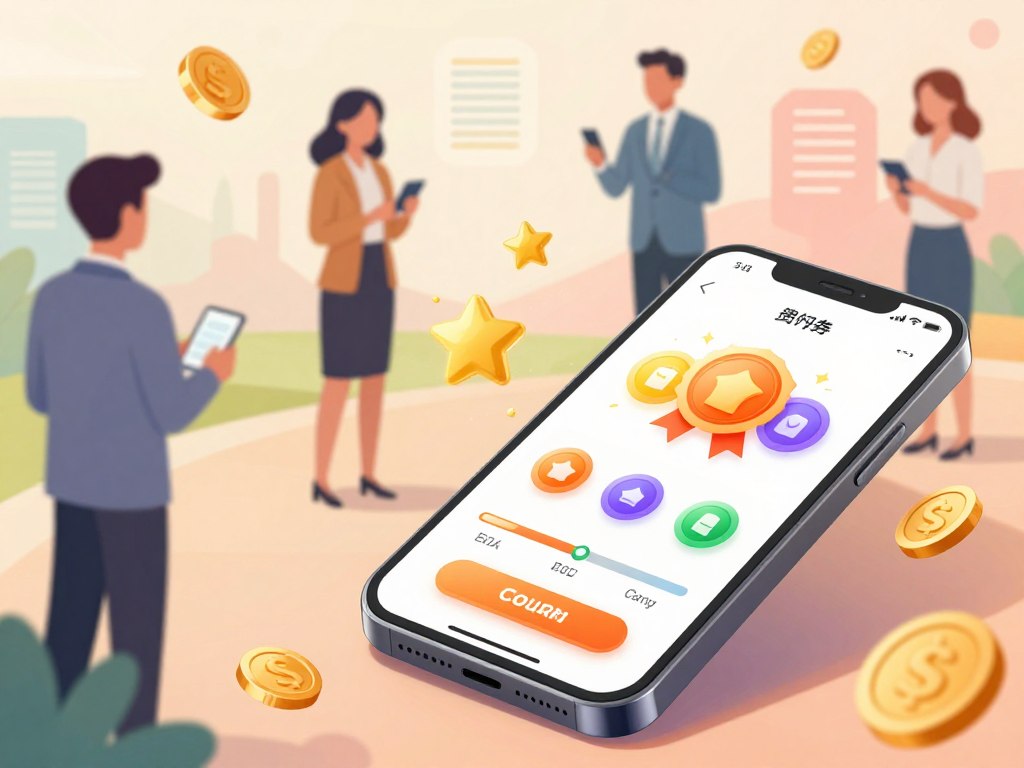
Gamification makes shopping fun and keeps you coming back. It adds points, badges, and missions to make rewards feel like a game. You earn small wins that add up to real benefits while enjoying digital incentives.
How Games Make Shopping Fun
Points, badges, and leaderboards give clear goals and quick feedback. Starbucks, Domino’s, and airlines use these to encourage regular visits. These elements help form habits and boost engagement.
Psychological drivers make gamification effective. Goals give direction, rewards show progress, and leaderboards motivate you to do more. These drivers turn small actions into lasting habits tied to rewards.
Earning Rewards Through Challenges
Challenges are simple, like streaks for daily visits or task lists for points. Completing them can unlock special perks or higher rewards tiers.
Always read the challenge terms to know the rules and deadlines. This ensures your rewards are safe and as expected.
| Challenge Type | Typical Goal | Common Rewards | Why It Works |
|---|---|---|---|
| Streaks | Visit X days in a row | Bonus points, free item | Builds habit through small, repeatable actions |
| Task Lists | Complete set actions | Multipliers, badges, tier progress | Provides clear steps and measurable progress |
| Seasonal Missions | Finish themed tasks in a period | Limited-time offers, exclusive access | Drives urgency and higher short-term engagement |
| Referral Contests | Refer friends who join | Points, credits, leaderboard prizes | Uses social incentives to expand user base |
User-Friendly Interfaces
A clean, intuitive layout makes it easier to enjoy loyalty app benefits. Good design keeps your points balance, rewards catalog, and quick-scan barcode easy to find. This way, you spend less time searching and more time saving.
Navigating Your Loyalty App
Look for a clear dashboard that shows your points and recent activity at a glance. Starbucks puts balance and offers front and center on its home screen. Target’s Circle layout groups deals so you find Circle rewards fast.
Amazon’s Prime interface separates membership perks, making access simple. Quick-access barcode or QR code features speed checkout. An organized rewards catalog with search and filters helps you find eligible items.
Save payment methods and bookmark favorite offers to check out faster. This way, you grab time-sensitive loyalty program perks without delay.
Updating Preferences and Notifications
Set communication preferences so you control email frequency and push notification types. Allow location permissions only if you want geo-targeted deals. Customizing alerts reduces notification fatigue and keeps you alerted to limited-time loyalty program perks.
Turn on accessibility features when you need them. Larger text, voice-over compatibility, and clear privacy settings make the app usable for more people. These mobile app advantages improve overall user experience and raise the chance you’ll use rewards regularly.
Integration with Other Services
Smart loyalty apps work best when they connect with tools you already use. This makes earning rewards easy and convenient. It feels like a part of your daily life, not extra work.
Connecting your account to payment options speeds up checkout. You can earn rewards automatically. Digital wallets and branded credit cards make it easy to earn points on purchases.
For example, Starbucks lets you preload funds and earn stars with each transaction. This makes earning rewards quick and easy. It also keeps your card data safe during transactions.
Social sign-ins through Facebook or Google make joining faster. Sharing achievements or referral links on social media boosts engagement. Sephora’s Instagram features show how inspiration and posts can drive interest.
Brands benefit from social referrals and organic reach. Referral bonuses can encourage more people to join. This leads to more customers and stronger loyalty when rewards are tied to shared activities.
Below is a compact comparison of common integrations and the benefits they bring to your experience.
| Integration Type | What It Does | Benefit to You | Security Note |
|---|---|---|---|
| Digital Wallets (Apple Pay, Google Pay) | Enables tap-to-pay and links wallet to app | Faster checkout, auto-earning of points | Uses tokenization to hide card numbers |
| Branded Credit Cards | Charges earn bonus rewards automatically | Higher points per dollar without extra steps | Protected by issuer fraud monitoring |
| Point-of-Sale Systems | Integrates app account at checkout | No manual scans, immediate reward application | Secure API connections limit data exposure |
| Social Logins (Facebook, Google) | One-tap account creation and login | Quick enrollment and synced profile data | Permissions control what is shared |
| Share & Referral Tools | Send invites and share milestones | Earn referral bonuses and build social proof | Links can be tracked without storing personal data |
The Role of Reviews and Feedback
Leaving reviews and feedback is a simple way to get into loyalty app benefits. Your honest thoughts can earn you points, perks, or status. Short comments, star ratings, and photos make your input valuable and visible.
Sharing your experience
When you post product reviews and feedback on platforms like Amazon or Ulta, you often earn points or special coupons. Brief, specific notes about fit, taste, or durability make reviews more useful. Adding a clear photo boosts credibility and can increase your chance to earn extra rewards.
Many apps offer in-app reviews, Q&A sections, and social threads where members swap tips. Engaging in those channels raises your profile and encourages community interaction. You become part of the conversation, which improves customer engagement for the brand and for you.
How feedback improves apps
Brands rely on aggregated reviews and feedback to find bugs, refine app navigation, and shape reward offers. Your reports on slow checkout steps or confusing menus help designers fix problems faster. Frequent contributors sometimes get beta access or invites to test new features.
When companies analyze reviews and feedback, they adjust product assortments and promotions. This leads to better deals and smoother app performance for all members. Offer constructive suggestions and you may see the direct effects in future updates or in-targeted perks from the rewards program.
Security Features in Loyalty Apps
You want to enjoy loyalty app perks without risking your privacy. Apps with strong security and clear privacy settings help you do just that. Here are some steps and explanations to keep your account safe and know what data apps collect.
Protecting Your Personal Information
Use strong, unique passwords for each account. Also, enable two-factor authentication (2FA) when it’s available. 2FA adds an extra step, like a text code or an authenticator app, to block unauthorized access.
Biometric login, like Apple Face ID or Google fingerprint unlock, adds another layer of security. Many apps support these features to reduce the risk of stolen passwords leading to account breaches.
Look for encrypted data storage and secure tokenization for payment details. Tokenization replaces your card number with a code so merchants never store the real payment data. Avoid making purchases on public Wi-Fi and review your account activity often to spot any suspicious charges.
Understanding Data Privacy
Loyalty apps collect data like purchase history, location, device identifiers, email addresses, and basic demographics. Brands use this info for personalization, targeted offers, analytics, and to measure retention.
Read privacy policies and use available privacy controls to limit sharing. On iOS, App Tracking Transparency gives you choices about cross-app tracking. Android privacy settings let you control location and ad tracking.
U.S. consumers can refer to state laws like the California Consumer Privacy Act (CCPA) for rights to access or delete personal data. Opt out of nonessential data sharing when possible to reduce targeted ads and tracking.
By taking these steps, you can enjoy loyalty app benefits while keeping your data safe. Regularly update app permissions and keep your device software current to maintain strong security features and protect your personal information.
| Security Measure | What It Protects | How You Use It |
|---|---|---|
| Two-Factor Authentication (2FA) | Prevents unauthorized logins | Enable in app settings; use SMS or authenticator apps |
| Biometric Login | Stops password theft from granting access | Set up Face ID or fingerprint via device security |
| Encrypted Storage | Protects stored personal and payment data | Choose apps that state encryption of data at rest |
| Tokenization | Keeps your payment numbers hidden | Pay with mobile wallets or tokenized cards |
| Privacy Controls | Limits data shared for ads and analytics | Adjust tracking and permission settings in the app and OS |
Tips for Maximizing Your Loyalty Rewards
Using loyalty apps wisely can save you money. Start by choosing programs for your favorite brands. Link your payment methods to earn rewards automatically. Focus on value, not just quantity, to see quick results.
Strategies for Earning More Points
Take advantage of double-point days and seasonal deals. Refer friends, complete challenges, and grab birthday rewards. These strategies boost your points without changing your shopping habits.
Look into co-branded credit cards that match your spending. Compare their fees to rewards to see if they’re worth it. Always track how much your points are worth to redeem them wisely.
Avoiding Common Pitfalls
Keep an eye on expiration dates and blackout periods. Update your account info to get alerts on special offers. This way, you won’t miss out on valuable perks.
Read the fine print on stacking rules and exclusions. Don’t spend more than you need to for rewards. This keeps your rewards real and sustainable.
Here’s a quick checklist to stay on track:
- Enable notifications for limited offers and tier upgrades.
- Link payment methods to auto-earn points at checkout.
- Track expirations and move points to high-value redemptions.
- Use tier benefits like free shipping or early access.
- Calculate point value before redeeming to maximize ROI.
| Tip | Action | Expected Result |
|---|---|---|
| Enroll and Link | Join programs for stores you use and connect your card | Auto-earn points on everyday purchases |
| Combine Promotions | Use double-point days and referral bonuses | Faster point accumulation without extra spend |
| Choose Cards Carefully | Compare co-branded cards and fees | Higher lifetime value when matched to spending |
| Monitor Value | Calculate cents per point before redeeming | Higher redemption ROI and smarter use of perks |
| Prevent Loss | Track expirations and update account info | Avoid losing rewards and missing loyalty program perks |
Future Trends in Loyalty Programs
Loyalty apps are changing fast. You can expect more personalization with AI, unique rewards, and programs that work across brands. Brands like Starbucks and Sephora are already using tailored offers and unified profiles. This makes shopping in-store, online, and on mobile smoother.
The Evolution of Loyalty Apps
Apps will soon offer subscription-like models, similar to Amazon Prime. This will focus on keeping customers engaged for the long term. You’ll see rewards that give back, like donating points to charity, making loyalty feel good too.
Emerging Technologies and Customer Engagement
AI and machine learning will make apps smarter, offering better recommendations and deals. Blockchain could make it easier to share points and work with other brands. AR and metaverse features will make shopping more fun and interactive.
Privacy tech and new rules will make personalization safer and more respectful. To enjoy these changes, try new features carefully. Look for programs that offer real value and a great experience to get the most out of your loyalty apps.