

Advertisement
Americans make about 40–60% of their retail buys on impulse. This shows how strong spending triggers can be in our lives.
This article talks about how spending triggers lead to unnecessary purchases. These actions hurt our savings and increase credit card debt. We explore how emotions, social pressures, store design, and marketing influence our buying habits.
By linking these triggers to our brain’s reward system, we understand why we often make bad financial choices. Studies from the American Psychological Association and the Federal Reserve highlight the risks.
Next, we’ll define spending triggers and discuss common emotional and social ones. We’ll also look at the impact of marketing, impulse buys, and seasonal patterns. Plus, we’ll dive into the psychology behind instant gratification and FOMO.
Stay with us for tips on spotting triggers, cutting down on impulse buys, and taking back control of your finances.
What Are Spending Triggers?
Understanding why we make impulse buys starts with knowing what spending triggers are. These are signals that make us buy things we didn’t plan to. They can come from inside us, like feeling sad or hungry, or from outside, like an email from a favorite brand or a catchy ad.
Behavioral economics says they are cues that lead to rewards, shaping how we act over time.
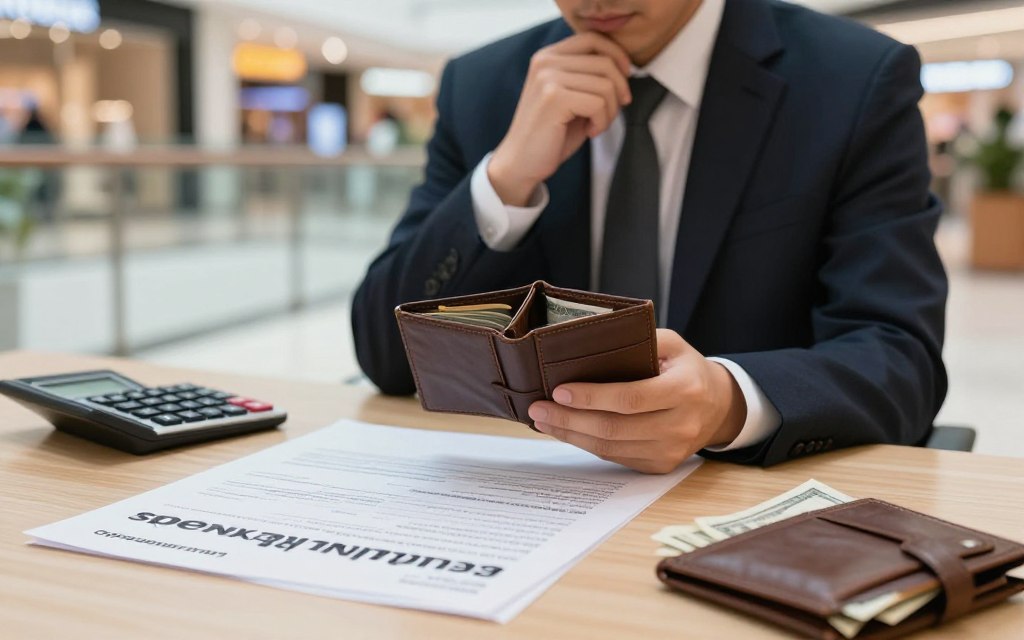
Definition of Spending Triggers
Spending triggers are cues that make us want to spend money. These can be feelings, like sadness or tiredness, or things outside us, like ads or what our friends do. Studies show these cues connect to our brain’s reward system.
This is why small things can make us forget our financial plans.
Importance of Recognizing Triggers
Knowing your spending triggers is key to making better money choices. Spotting a trigger helps you avoid buying things on impulse and keeps your budget safe. Experts say learning these patterns helps achieve long-term financial goals.
Look for simple signs. Do you buy things more after looking at social media? Do you shop when you’re stressed, bored, or tired? Do you spend money when you get emails or visit certain stores?
These signs show where you’re most likely to make impulse buys.
Quick tests can help you start. Ask yourself: When do I usually make unplanned purchases? What moods or situations lead to these buys? Which brands or messages make me want to buy?
Answering these questions helps you understand your personal spending patterns and the broader consumer behavior that influences them.
Knowing your triggers has big benefits. It helps you budget better and make smarter choices. With awareness, you can control your spending and make better financial decisions for the long term.
Common Emotional Spending Triggers
Emotions play a big role in our buying habits. We often spend money to feel better or to distract ourselves. Knowing these feelings can help us avoid buying on impulse and prevent debt.
Stress and anxiety make us value rewards differently. High levels of cortisol make us seek immediate comfort. Studies show we tend to spend more after big changes or stressful events.
For example, we might buy comfort food or go on a shopping spree after a tough day. Simple steps can help. Try taking a few deep breaths, going for a short walk, or waiting a bit before buying. These actions can calm us down and help us make better choices.
Loneliness and boredom lead us to seek new things and social connections. We might scroll through online shops or buy trendy items when we’re feeling alone. But these purchases don’t really solve our feelings of emptiness.
Instead of shopping, try calling a friend, joining a class, or starting a new hobby. These activities can fill the void and reduce the need to buy on impulse.
Low self-esteem makes us seek validation through our purchases. We might buy expensive clothes or beauty products to feel better about ourselves. Research shows these purchases give us a temporary confidence boost.
Working on self-esteem is key. Practice affirmations and set goals that don’t involve shopping. If shopping is a way to hide from self-image issues, therapy can help.
Watch out for signs like late-night browsing or buying to celebrate. Interventions like waiting periods, automatic savings, and keeping a spending journal can help. They break the cycle of spending triggered by emotions.
Understanding emotional spending is part of understanding consumer behavior. Retail therapy and impulse buys are quick fixes for deeper needs. Recognizing these patterns early can help us make better choices and take control of our finances and emotions.
The Role of Marketing in Spending
Marketing plays a big role in making people want to buy things. Brands use psychology to make quick decisions easier. This helps you know when you’re being pushed to buy.
Advertisers aim to touch your emotions, build trust, and catch the right moment. These tactics show up everywhere online. They turn simple browsing into chances to buy.
Advertisements That Compel Action
Ads use emotions to grab your attention and link products to feelings. Social proof, like reviews, builds trust fast. Scarcity and personalized ads make offers seem urgent and personal.
Platforms like Meta, Google Ads, and YouTube use data to get more clicks. Personalized ads match what you’re looking for. This shows how ads can influence buying decisions on a big scale.
Sales Promotions and Limited-Time Offers
Sales use urgency with flash sales and countdowns. These tactics create a sense of FOMO, making you buy faster than you might want to.
Events like Amazon Prime Day and Black Friday see big spikes in sales. Retailers see bigger carts and quicker checkouts when things feel scarce and urgent.
Some digital ads go too far, using tricks to influence you. The U.S. Federal Trade Commission warns against these dark patterns. They aim to keep ads honest.
To avoid these traps, unsubscribe from emails, turn off ad personalization, and use ad-blockers. A simple rule: wait 24 hours before buying something with a limited-time offer.
| Marketing Tactic | How It Works | Consumer Response |
|---|---|---|
| Emotional Appeals | Connects product to positive feelings or relief | Faster impulse to buy when feeling aligned with message |
| Social Proof | Uses reviews, ratings, and influencer posts to show popularity | Increases trust and likelihood of purchase |
| Scarcity Messages | Displays limited stock or time-limited deals | Creates urgency and quick decision-making |
| Targeted Ads | Shows ads based on browsing and purchase history | Higher click-through and conversion rates |
| Dark Patterns | Misleading UI, hidden charges, auto-opt-ins | May lead to regret, disputes, and regulatory scrutiny |
Social Influences on Spending Habits
Social context shapes many buying decisions. People follow cues from friends, coworkers, and media. This creates social influences on spending that push small choices into bigger commitments.
Peer Pressure and Social Media
Peer pressure purchases happen when fitting in feels more important than the price tag. Group dining, splitting bills, and workplace norms all nudge people toward matching others’ choices.
Influencers on Instagram, TikTok, and Pinterest turn recommendations into social media shopping trends. Research shows influencer marketing drives higher engagement and boosts social commerce in the U.S., making ad-like posts feel like personal endorsements.
Micro-celebrities and friends create a steady stream of cues. That stream raises certain spending triggers and makes impulse buys seem normal rather than exceptional.
Comparison Culture and Its Impact
Comparison culture deepens desire for higher-status goods. Upward social comparison — looking at those above you — often sparks financial dissatisfaction and prompts purchases meant to close perceived gaps.
Psychological studies link frequent comparison with overspending and regret. People buy to project success or to avoid feeling left out. This pattern feeds cycles like gift expectations and trend-based wardrobes.
Practical steps can reduce harm. Curate feeds and unfollow accounts that trigger purchases. Set a social budget and align buys with values and goals to resist comparison-driven spending. Small changes lower the power of spending triggers and help restore control.
Environment as a Spending Trigger
The places we shop influence what we buy. Stores and online sites use design, scent, sound, and layout to encourage buying. Knowing these tricks can help us avoid spending more than we mean to.
Physical Store Layouts
Retailers like Walmart and Target arrange aisles to lead shoppers past expensive items. A racetrack layout makes shoppers walk longer paths. Displays at the end of aisles and focal points offer tempting deals right where you pause.
Stores also use scents, music, and lighting to set a mood. Sample stations and displays of bundled products increase the chance of impulse buys. Studies show that how long you stay in a store is linked to unplanned purchases.
Online Shopping Environments
Online stores use personalized recommendations and “customers also bought” widgets to guide shopping. Amazon’s one-click buying and saved payment methods make it easy to buy on impulse.
Exit-intent pop-ups, persistent carts, and easy checkout options encourage buying. Push notifications and email reminders remind you to complete your shopping or take advantage of deals.
Practical Consumer Countermeasures
Shopping with a list and setting a spending limit can help you resist buying too much. Turn off push notifications and remove saved cards to make buying harder. This can help you avoid impulse buys online and in stores.
Use browser extensions to hide prices or block certain sites. Plan your in-store shopping when it’s less busy. This way, you’re less influenced by the sensory triggers like music and samples. These steps can help you resist the urge to buy more than you need.
Impulse Buying: The Immediate Trigger
Impulse buying is when you buy something without planning. It’s often driven by emotions or something around you. Our brains can get caught up in the excitement of buying, making it hard to think clearly.
Understanding impulse purchases
Things like cheap items, extra stuff at checkout, and online deals can trigger impulse buys. These items are often appealing because they’re urgent, look good, or are easy to get. Even small purchases can add up and hurt your budget.
Behavioral economics says it’s a fight between instant pleasure and planning for the future. The quick joy of buying wears off, leaving you with the cost. This can slow down your savings and goals.
Strategies to combat impulse buying
There are ways to stop buying on impulse. Try waiting 24 hours before buying something you don’t need. Make a shopping list and set small budgets for fun money. Use cash for specific things to avoid buying too much.
Remove your payment info from apps and browsers. Use apps or extensions to block shopping sites when you’re trying to focus. Tools like Mint and YNAB can help you see where your money goes.
Mental tricks can also help. Make plans like, “If I see a deal, then I will wait 24 hours.” Having someone to hold you accountable and finding cheap ways to reward yourself can also help.
| Trigger Type | Common Example | Quick Defense |
|---|---|---|
| Low-cost temptation | Endcap snacks or $5 novelty items | Use cash envelope and stick to list |
| Checkout add-ons | Suggested accessories during checkout | Close tab and apply 24-hour rule |
| Limited-time online deal | Flash sale emails and countdown timers | Delete stored cards; require authentication |
| Emotional purchase | Shopping after breakup or big stress | Call an accountability partner; use alternative reward |
Seasonal Triggers That Affect Spending
Calendar cycles shape how we spend. Retail calendars, vacation timing, and tax refunds create predictable patterns of buying. Knowing these seasonal spending triggers helps shoppers spot moments when marketing and mood boost purchases.
Holiday Spending Patterns
Major U.S. holidays push shopping in specific directions. Christmas drives gift buying, travel, and decorations. Thanksgiving and Black Friday shift attention to doorbuster deals and early holiday prep. Cyber Monday steers many to online bargains and tech purchases.
Back-to-school season prompts apparel and supplies spending for families. Valentine’s Day and Mother’s Day encourage experiential spending, dining, and thoughtful gifts. The National Retail Federation shows rising average household holiday budgets in recent years, reflecting steady growth in holiday spending and planned gift allocations.
Sales Events Throughout the Year
Retailers stage sales events to trigger quick purchases. Prime Day, end-of-season clearances, Memorial Day and Labor Day sales, plus surprise flash sales create urgency. Markdowns are timed when customers expect deals, making retail therapy feel justified.
Temporal triggers include tax refunds, bonus payouts, and vacation pay. These inflows boost disposable income and raise the odds of impulse buys during sales events. Price drops, countdown timers, and limited-stock alerts add pressure to act now.
Practical steps reduce overspending during these peaks. Plan seasonal budgets and set aside gift funds well before peak periods. Use price-tracking tools and wish lists to verify true discounts. Ask whether a purchase meets a real need or is a moment of retail therapy before checking out.
| Trigger | Typical Timing | Common Spending Focus | Smart Countermeasure |
|---|---|---|---|
| Christmas | Nov–Dec | Gifts, travel, decorations | Create a gift fund and shop early |
| Black Friday / Cyber Monday | Late Nov | Electronics, big-ticket items | Compare historical prices and use trackers |
| Back-to-School | Jul–Aug | Clothes, supplies, tech | Make a list and set a per-child limit |
| Prime Day / Flash Sales | Mid-year / unpredictable | Impulse buys, small electronics | Pre-add items to wish lists and wait 48 hours |
| Tax Refunds & Bonuses | Spring / Year-end | Travel, home improvements, splurges | Split windfalls into saving and spending buckets |
The Psychological Aspect of Spending
People don’t buy things randomly. Deep mental processes guide their spending. This section explores two main drivers: the allure of instant rewards and the pressure of limited chances.
The Allure of Instant Gratification
Behavioral economists like Daniel Kahneman and Richard Thaler found that we often choose immediate pleasure. Sales or flashy items that promise quick satisfaction win over long-term goals in our minds.
Hyperbolic discounting shows why a $20 impulse buy feels better than saving for a $200 goal. Instant rewards give us dopamine, a chemical that makes us want to spend more.
The FOMO Phenomenon
FOMO spending is driven by social signals and scarcity. Limited-edition items, time-limited offers, and influencer endorsements create a sense of urgency. People fear missing out and buy quickly to avoid regret.
Brands like Nike and Apple use scarcity to make their products more desirable. Social proof from friends or celebrities encourages us to buy, linking purchases to our identity and status.
Cognitive vulnerabilities make us more susceptible to these spending triggers. Lack of sleep, stress, and decision fatigue reduce our self-control. Tired shoppers make quicker, less thoughtful choices.
Psychological strategies can help. Automatic savings and waiting 24 hours before buying can reduce impulse spending. Celebrating milestones without spending can shift our focus away from retail therapy.
| Driver | How It Works | Behavioral Fix |
|---|---|---|
| Instant gratification | Immediate pleasure outweighs long-term goals via present-bias and hyperbolic discounting | Set automatic savings, use visual goal trackers to make future rewards feel real |
| FOMO spending | Scarcity and social proof create urgency and fear of missing out | Introduce cooling-off periods and limit social media shopping exposure |
| Decision fatigue | Worn self-control leads to reactive purchases late in the day | Schedule important decisions for peak energy times and simplify choices |
| Stress and sleep loss | Lowered inhibition increases impulsive buys tied to mood regulation | Prioritize sleep, use mood logs, and replace shopping rewards with low-cost activities |
Tracking and Analyzing Spending Triggers
Good data helps spot emotional or marketing-driven impulse buys. Start by reviewing your spending daily. Use simple metrics to keep it easy and consistent.
Effective budgeting tools and apps
Mint offers free categorization, alerts, and visual reports for most bank accounts. You Need A Budget (YNAB) uses envelope-style rules for proactive planning. Personal Capital tracks net worth and investments, showing cash flow trends.
PocketGuard and Spendee provide quick views, merchant insights, and flags for recurring transactions. These tools let you tag transactions, set goals, and flag unusual spikes. Use alerts for late-night buys and merchant summaries for pattern buys.
Transaction tagging and manual journaling
Automated data misses context. Keep a short spending journal to note mood, time, and triggers. Use a notebook or voice memos after a buy to record why you spent.
Tag entries with labels like “stress,” “social,” or “sale” for later filtering. This mix of emotion and numbers makes tracking triggers actionable.
Reflecting on past spending habits
Do a monthly review. Pull top categories, list subscriptions, and calculate impulse buy costs over 30 days. Count impulse transactions and measure discretionary spend as a share of take-home pay.
Create simple rules from your findings. Examples include a 48-hour wait for purchases over $50, a digital curfew after 9 p.m., or an automatic weekly transfer to savings. These rules improve financial decision-making.
Use case example
A reader found evening online shopping after reviewing Mint. They set merchant alerts, started a 9 p.m. device break, and logged moods with voice notes. After six weeks, impulse buys fell and savings transfers rose.
Measure progress with clear KPIs
Pick a few indicators: reduced impulse transactions, higher savings transfers, or lower discretionary spend. Track them in your budgeting tools and revisit journaling notes to refine tactics.
| Tool | Key Feature for Triggers | Best Use |
|---|---|---|
| Mint | Automatic categorization, alerts, spending reports | Wide budgeting with free alerts to detect late-night or merchant spikes |
| YNAB (You Need A Budget) | Envelope-style rules, goal planning, proactive allocations | Preventative budgeting to limit impulse buys before they happen |
| Personal Capital | Net-worth tracking, cash flow analysis, investment view | Understand how discretionary spending affects long-term financial decision-making |
| PocketGuard | Quick available balance view, merchant insights, simple goals | Fast checks to avoid spur-of-the-moment purchases |
| Spendee | Visual graphs, shared wallets, manual tagging | Detailed spending analysis and collaborative budgeting |
Developing Healthy Spending Habits
Starting with a simple plan is key to healthy spending habits. Set goals for short, medium, and long terms. For example, an emergency fund is a short-term goal, while retirement is long-term.
Make a budget and prioritize your goals. Use automatic savings to keep progress steady. This way, saving becomes less stressful.
Setting Personal Financial Goals
Use SMART planning for your goals. This means they are specific, measurable, achievable, relevant, and time-bound. Assign dollar amounts and dates to each goal.
Link each expense to your values to avoid impulse buys. Use a budget that puts essentials first, savings second, and wants last. Set up automatic transfers to save regularly.
Schedule quarterly check-ins to review your progress. Adjust your goals as needed.
Mindfulness Practices for Spending Awareness
Mindfulness can help you avoid emotional spending. Before buying, take a minute to pause and breathe. Note the emotion behind your urge and write it down.
Set a short intention before shopping. Use a cooling-off clause for big purchases to avoid impulsive buys. Regular gratitude exercises can also help you want less.
Behavioral tools can help you change for the long term. Use implementation intentions and find an accountability partner. Celebrate milestones with low-cost experiences, not big purchases.
For more tips and tools, check out the Consumer Financial Protection Bureau and the National Endowment for Financial Education. Try budgeting apps that fit your style to stay on track.