

Advertisement
Did you know people check their phones about 144 times a day? This habit shows more than routine. It reveals how modern interfaces tap into our brain’s reward system.
Dopamine technology and dopamine tech describe products made to trigger the brain’s reward circuits. Studies from MIT, Stanford, and Wolfram Schultz’s work explain this well. Intermittent rewards and unpredictable feedback boost user engagement.
This idea drives everything from dopamine apps to swipeable feeds.
Smartphones, social media, and streaming platforms have woven digital stimulation into daily life. On-demand entertainment and algorithmic feeds have raised expectations for instant rewards. People now want rapid, new input; this shifts attention, mood, and social habits.
This article will explain why the brain craves stimulation. It looks at effects on attention, mental health, and productivity. It also offers practical tips to regain balance.
The goal is clear: help U.S. readers recognize dopamine-driven design, understand the science, and develop healthier tech habits.
Understanding Dopamine and Its Role in the Brain
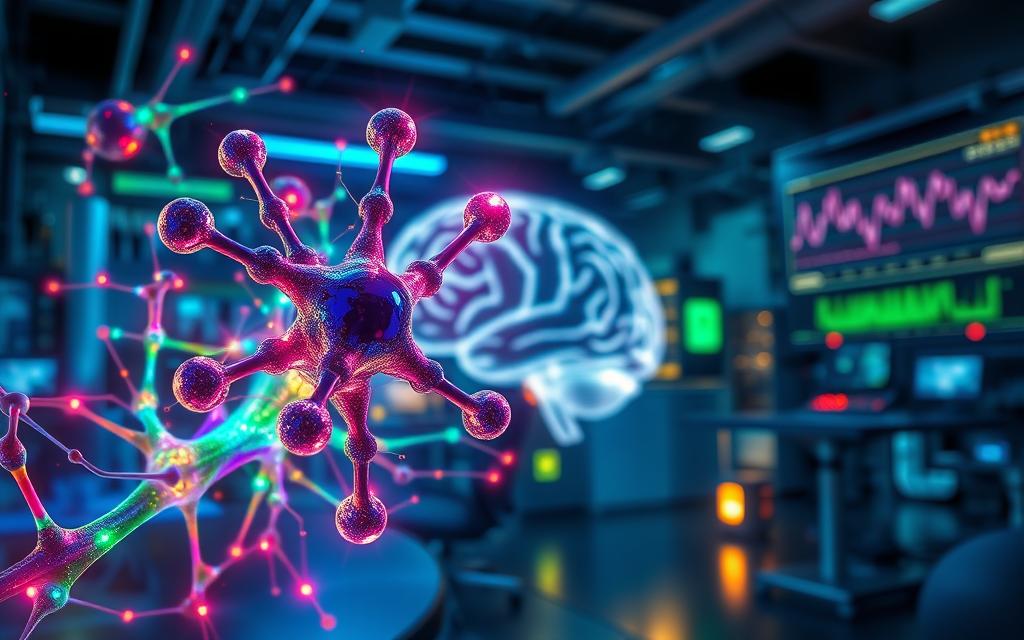
Dopamine sits at the center of modern talks about brain function. Research from groups like the National Institute of Mental Health shows it is a neurotransmitter. It forms in areas such as the ventral tegmental area and substantia nigra.
Its influence reaches movement, learning, and the drive to seek goals.
What is Dopamine?
Dopamine is more than a simple pleasure chemical. Classic studies by Wolfram Schultz showed dopamine signals prediction and learning. It rises when a reward is expected and helps the brain update future expectations.
This idea is a key part of dopamine science and research into reward prediction error.
How Dopamine Influences Behavior
Dopamine and behavior are strongly linked. Short bursts of dopamine reinforce actions that brought positive results, building goal-directed habits. Steady levels set background states affecting attention and craving.
These dopamine patterns explain why we repeat useful behaviors and how some actions become automatic.
The Connection Between Motivation and Reward
Motivation and reward rely on dopamine-driven learning. When new or uncertain things appear, dopamine encourages exploring. Repeated rewards build routines that cause habit formation and addiction.
Examples include how notifications and variable rewards in apps use these brain circuits to shape user behavior.
What is Dopamine Tech?
Many products and platforms today are built to shape behavior by tapping into reward learning. Designers call this approach engagement engineering. It blends psychology, data science, and interface design to keep people coming back for more.
Defining Dopamine-Driven Design
Dopamine technology means digital systems that use variable rewards, social cues, and persuasive patterns to boost interaction. Teams at companies like Meta, Netflix, and Google run A/B tests and analytics. They fine-tune timing, visuals, and copy.
Product managers call these features retention or engagement tools. Behavioral scientists refer to them as reward schedules.
Real-World Examples You Use Every Day
Social feeds on Facebook, Instagram, and TikTok serve unpredictable, tailored content. This strategy maximizes watch time and shares. Notification systems on iOS and Android nudge users back with intermittent alerts.
Streaming services like Netflix and YouTube use autoplay and recommendation engines. This reduces friction between episodes and keeps viewers watching. Mobile games such as Candy Crush and Pokémon GO rely on streaks, badges, and rewards to keep players coming back.
Health and fitness trackers like Fitbit gamify progress with challenges and trophies. E-commerce platforms such as Amazon and eBay prompt purchases with limited-time offers, ratings, and flash sales.
Product teams call these dopamine tools, products, or apps when discussing user engagement. Designers and researchers use behavioral science, testing, and metrics to tune features and meet growth goals.
The Psychology Behind Digital Addiction
Digital devices use simple cues to shape complex behavior. Notifications, badges, and endless scroll act as triggers. These cues prime the brain for a quick hit of satisfaction.
This section explores how those cues become learned signals. It explains why they create strong habits.
How do devices prompt that response? Visual and auditory alerts act as conditioned cues. A red badge or a message ping signals possible reward.
Users respond by tapping or scrolling. This often leads to a small surge of pleasure. That spike reinforces the behavior and encourages repeat checking.
How Digital Devices Trigger Dopamine Release
Apps and platforms use variable reward designs to stimulate the brain. Newsfeeds, notifications, and fresh content provide unpredictable outcomes. This pattern taps into circuits responsive to novelty and surprise.
When a reward is uncertain, anticipation grows. This feeling can seem motivating and urgent. People link the cue with the reward, creating a loop favoring short-term gains.
The Cycle of Anticipation and Reward
The cycle follows a clear path: cue → craving or anticipation → action (scroll, click) → reward (like, new content) → dopamine spike.
After the spike, the brain prepares for the next cue. Over time, this loop tightens and becomes automatic. It resembles reinforcement schedules used in behavioral psychology.
Intermittent reinforcement, also called variable ratio schedules, is a strong driver. Casinos use this with slot machines. Many apps adopt similar mechanics.
The unpredictability makes behaviors hard to stop and ignore. Empirical studies show heavy smartphone use matches patterns found in behavioral addiction. Research links compulsive checking, growing time online, and withdrawal-like discomfort when access is blocked to these reward systems.
These findings support concerns raised by clinicians and neuroscientists. Cognitive consequences appear as habits form. Impulsivity rises, delaying gratification weakens, and actions shift from choice to automatic response.
Many users check devices without thinking. This shows learned behaviors run with little conscious control.
| Mechanic | How It Triggers Reward | Behavioral Sign |
|---|---|---|
| Notification badges | Create a visual cue that promises new content or social feedback | Frequent, compulsive taps to clear badges |
| Variable newsfeeds | Offer unpredictable, novel items that maintain curiosity | Extended scrolling sessions with loss of time awareness |
| Likes and social feedback | Deliver social validation in intermittent bursts | Checking posts repeatedly for engagement updates |
| App updates and new features | Introduce novelty that renews attention | Frequent updating and exploring of features |
| Push notification timing | Uses unexpected timing to re-engage users | Disrupted routines and repeated device checks |
The Role of Social Media in Dopamine Responses
Social platforms shape behavior through instant feedback loops. When people post on Instagram, Twitter/X, or TikTok, they get quick cues. These cues signal social approval and feed into neural reward systems called dopamine tech.
Likes, Shares, and Instant Gratification
Likes and dopamine form a tight link. Social rewards, like shares and comments, trigger measurable dopamine release in the brain. Research shows positive feedback lights up regions tied to reward.
Platforms use timing and variability to strengthen this loop. Instant responses give gratification and make users post more often. Younger Americans are more sensitive, but all ages engage a lot.
The Impact of Notifications on Mood
Notifications and mood connect closely. Push alerts and badges interrupt tasks and cause brief dopamine surges. These hits pull attention away from work, study, or conversation.
Studies find frequent notifications increase anxiety and lower well-being. Disabling alerts can reduce stress and help focus. People feel calmer after limiting social media notifications.
Design choices in platforms matter greatly. Lowering badge or sound alert salience helps reduce compulsive checking. Simple setting changes can shift daily rhythms and cut dopamine-driven interruptions.
The Effects of Constant Stimulation on Mental Health
Everyday use of smartphones, apps, and streaming services changes how people feel and sleep. Research from the American Psychological Association links heavy screen time to poorer sleep and higher stress biomarkers. This evidence connects digital overload to agitation, daytime fatigue, and weakened coping skills.
Notifications and endless feeds keep the body in a state of alert. That constant alertness raises sympathetic arousal. This can lead to tension and trouble falling asleep.
Studies find disrupted sleep then magnifies daytime anxiety and stress. This creates a repeating loop that worsens mental health and daily functioning.
Social platforms encourage comparison. Scrolling through curated lives fuels negative self-evaluation and depressive symptoms in vulnerable users. Young people face higher risk since their reward systems and identity development are still forming.
Anxiety and technology often appear together in studies that measure stress hormones and self-reported worry. Heavy, compulsive engagement with dopamine tech ties into these patterns. Mindful use can support community and belonging.
There is a paradox where more connections coexist with more loneliness. Superficial interactions on social networks can replace richer face-to-face contact. Studies show social media use correlates with perceived loneliness.
Long-term effects differ by age. For adolescents and young adults, dopamine-driven features may shape reward sensitivity and social expectations. Experts urge limits and guided use during these critical developmental periods.
A balanced view notes technology can strengthen ties when used on purpose. Harms come from compulsive, unregulated use causing digital overload and worse mental health. Thoughtful routines and clear boundaries help reduce stress and rebuild social bonds.
Dopamine Tech in Gaming: A Deep Dive
Video games use carefully built reward systems to tap into gaming dopamine and keep players returning. Designers at Blizzard and Epic Games layer points, loot, levels, and achievements to trigger a small hit of satisfaction. These mechanics use reinforcement principles from behavioral psychology.
Reward systems in video games often combine predictable goals with surprise elements. Fixed rewards like level-ups teach skills and give steady progress. Variable rewards such as randomized drops create excitement through uncertainty.
Researchers compare these methods to variable ratio schedules that produce sustained engagement.
Loot boxes and randomized drops have drawn scrutiny because they blur lines with gambling. Regulators in Belgium and the UK debated restrictions after studies raised concerns about youth exposure. Game studios and policymakers negotiate how to balance player safety with creative systems.
Gamification extends beyond entertainment into fitness, learning, and work tools. Duolingo streaks, Fitbit badges, and corporate leaderboards use simple mechanics from dopamine tech. Applied with transparency, these systems improve learning outcomes and exercise adherence.
Controversy grows when reward systems prioritize retention over user well-being. Scholars call for clearer disclosure of probabilities in loot boxes and age protections for minors. Ethical gamification focuses on informed consent, limits on exploitative features, and measurable benefits for users.
The table below compares common gaming reward mechanics, their dopamine-related effects, and where they appear in both entertainment and non-entertainment apps.
| Mechanic | Dopamine Effect | Typical Examples | Non-Game Applications |
|---|---|---|---|
| Points and XP | Clear progress signals; steady reward | Leveling in World of Warcraft, Fortnite XP | Learning platforms awarding mastery points |
| Achievements and Badges | Social proof; goal completion satisfaction | Steam achievements, console trophies | Fitness apps with milestone badges |
| Loot Boxes / Random Drops | Variable reward; high excitement, strong pull | Randomized skins, rare item drops in Apex Legends | Controversial in reward-driven marketing programs |
| Timed Events | Scarcity and urgency boost engagement | Seasonal events in Overwatch, limited-time raids | Wellness challenges with limited windows |
| Leaderboards and Social Competition | External validation; social dopamine triggers | Ranked modes, esports ladders | Sales dashboards and productivity leaderboards |
Balancing Dopamine Tech in Daily Life
Modern devices offer big benefits and tempting interruptions. Small, actionable steps help you keep control. They let you enjoy tech without constant dopamine spikes.
The tips below pair practical habit changes with simple mindfulness. They include routines people can use every day.
Establish phone-free windows. Set clear no-phone times during meals, the first hour after waking, and the hour before bed. These pockets reduce compulsive checking.
They make room for focused tasks or family time.
Use built-in limits. Turn on Screen Time on iOS or Digital Wellbeing on Android. Set app limits and schedule downtime easily.
These dopamine tools create automatic barriers to endless scrolling.
Cut distracting alerts. Disable nonessential notifications and remove badge icons from high-distraction apps. Fewer pings mean fewer triggers for reactive behavior.
Create friction for checking. Place your phone in another room or use grayscale mode. You can also stash it in a drawer during work blocks.
These simple obstacles lower the urge to reach for the screen.
Mindfulness and technology
Short, evidence-based practices work best. Try focused breathing for five minutes or a 10-minute daily guided meditation from Headspace or Calm.
You can also do a quick body scan to reduce reactivity to digital cues.
Replace checking with low-stimulus rewards. Swap a scroll session for a brief walk, a page of a paperback, or stretching. These alternatives satisfy the need for a reward without constant dopamine spikes.
Build family norms. Create household rules for device use at meals and before bed. Schools and parents can teach kids to set boundaries early.
This helps healthy digital habits form naturally.
Practical routine checklist
- Phone-free meals and bedside hours
- App limits via iOS or Android tools
- Turn off badges and nonessential alerts
- Grayscale or out-of-room storage during focus time
- Daily 10-minute guided mindfulness practice
- Swap checking with walk, stretch, or reading
These steps combine technology and behavior change. They reduce overstimulation while keeping useful features.
They let you shape a healthier daily rhythm with dopamine tech. You don’t have to give up the features you need.
The Neuroscience of Multitasking
Modern labs reveal limits to how many things the brain can handle at once. Cognitive load rises when we flip between tasks. That shift causes small delays and more mistakes, even when we feel productive.
How Dopamine Affects Focus and Attention
Dopamine science shows the brain loves novelty and rewards. Short bursts of stimulation make switching tasks feel exciting.
That rush can reinforce restless attention and frequent context changes. Stanford and University of Michigan studies link task switching to drops in performance.
Dopamine research explains why notifications grab attention. They act like tiny rewards that interrupt deep work.
Combating the Myth of Effective Multitasking
Evidence from cognitive psychology shows multitasking lowers accuracy and memory. People who juggle tasks take longer and recall less.
Real-world teams at firms like Microsoft report gains when they reduce interruptions and limit context switching.
Try practical steps to fight multitasking and dopamine-driven urges:
- Time-blocking with focused sessions like Pomodoro to protect deep work.
- Turn off notifications and set clear intentions before starting a task.
- Use task-management tools that minimize pings and reduce context shifts.
Small habit changes reduce cognitive costs and improve focus. When organizations cut back on interruptions, productivity and well-being rise.
These shifts align with findings from contemporary dopamine research.
The Future of Dopamine Tech: Trends to Watch
The next wave of dopamine technology will change how apps, wearables, and platforms get our attention. Sharper personalization will come from AI. Biometric signals will link more closely with user interfaces.
More immersive AR experiences will also raise the stakes for engagement. Dopamine research will watch these changes. It will measure effects on behavior and wellbeing.
Innovations in User Engagement
AI-driven recommendation systems from OpenAI, Google, and Meta refine what users see. These systems increase relevance and push engagement higher. Personalized feeds, adaptive notifications, and context-aware content match individual reward patterns.
Wearables like Apple Watch and Oura Ring provide heart rate and stress data. This data helps adjust experiences in real time. AR platforms like Apple Vision Pro and Meta’s Horizon add sensory novelty. They boost dopamine-driven innovation in media and commerce.
Ethical Considerations for Tech Developers
Groups like the Center for Humane Technology call for humane product design. Researchers studying ethical tech support these ideas. Regulators explore rules on data privacy, ad transparency, and protections for minors.
Developers must disclose reward mechanics and offer opt-in controls for high-engagement features. They should set default modes to reduce intrusive retention tactics. Business pressure to maximize attention may clash with user wellbeing.
Market forces, public scrutiny, and policies could push platforms toward healthier defaults. Dopamine research will prove which design choices help users. It will also show how companies can still keep value.
Encouraging Responsible Use of Technology
Smart choices about devices help people regain focus and calm. Responsible use starts with clear, practical rules. These rules work at home, school, or work.
Setting Boundaries with Digital Devices
Decide on device-free zones like bedrooms and dining rooms. Agree on family rules for tech use during meals and chats.
Use scheduling tools and app limits to create no-screen hours. Put charging stations outside bedrooms to reduce bedtime screen use.
Set communication norms with expected response times and check-in windows. These rules reduce pressure to reply instantly and cut down on compulsive checking caused by dopamine-driven tech.
The Importance of Digital Detox
Try short digital detoxes lasting 24 to 72 hours to reset your reactions. Plan longer breaks on weekends or vacations to change habits.
Take a gradual approach: lower notifications, cut time on addictive apps, and swap screen time for walking, reading, or cooking.
Research shows short detoxes improve sleep and decrease stress. If heavy users feel withdrawal anxiety, they should consult a mental health expert.
Employers and schools can help by creating policies that respect off-hours boundaries. Limiting after-hours messaging lowers burnout and promotes healthy device use.
Design teams should consider whether dopamine tools truly support human well-being before adding them. Learn more about these design incentives in The Guardian report: how designers maximize attention.
| Action | How to Apply | Expected Benefit |
|---|---|---|
| Device-free zones | Ban phones at the dining table and in bedrooms; use a basket or charging station | Better sleep, improved family interaction |
| Scheduled no-screen hours | Use built-in app limits or set silent hours from 9 p.m. to 7 a.m. | Reduced nighttime stimulation, clearer focus |
| Communication norms | Define response windows and emergency protocols with colleagues and family | Lower stress, fewer interruptions |
| Short digital detox | Unplug 24–72 hours or designate screen-free weekends | Improved mood, reduced anxiety |
| Gradual reduction | Taper notifications and replace social scrolling with offline hobbies | Less reactivity to dopamine tech, more sustainable habits |
| Organizational policy | Adopt no-email-after-hours rules and respect vacation time | Lower burnout, healthier workplace culture |
Alternatives to Dopamine Tech
Tech that chases quick hits can leave people restless. This guide shows alternatives to dopamine tech that restore calm. Try options that fit your schedule and values for a week.
Engaging in Offline Activities
Physical exercise like running, cycling, and team sports gives mood boosts. These activities raise endorphins and regulate dopamine. They don’t rely on constant novelty.
Creative pursuits such as painting, music, writing, and woodworking offer deep satisfaction. People find focus and pride after projects lasting days or weeks.
Reading, gardening, cooking, and volunteering create flow states that reward effort over time. These rewards build resilience and a stronger sense of purpose.
Rediscovering Hobbies Away from Screens
Schedule regular time for hobbies and treat them like real appointments. Mark sessions on a paper calendar or journal. Track progress and celebrate milestones without digital prompts.
Join local groups at the YMCA, makerspaces, or libraries. Community classes add accountability and teach new skills. They also limit screen time.
For families and educators, encourage unstructured play and hands-on learning. Pediatric health groups say free play boosts social skills, creativity, and emotional regulation.
Use analog habit trackers to measure growth. Charts, stickers, or logs create visible progress. They give dopamine-free rewards that feel meaningful.
Balance high-intensity tech with calm offline activities. You don’t need to quit devices. Aim to keep digital tools useful without letting them dominate rewards.
Conclusion: Finding Balance in a Digital World
Digital life brings real benefits. But dopamine systems that fuel motivation can also lead to compulsive behavior.
This article explained dopamine’s role in reward and motivation. It also showed how dopamine tech exploits that system. We discussed the costs of constant stimulation from dopamine products.
Embracing Mindful Technology Use
Adopt mindful technology use to regain control. Set clear boundaries and use tools to limit screen time. Take short mindfulness breaks to stop automatic reactions to notifications.
Mindful choices help shift focus from instant dopamine hits to longer, more meaningful rewards.
Strategies for a Healthier Relationship with Devices
Start with a simple plan. Check your device use to find time sinks. Enable notification and screen-time limits within one week.
Schedule two daily device-free periods and a weekend digital detox within a month. Add an offline hobby or regular physical activity. These create healthy rewards and reduce reliance on dopamine-driven loops.
Looking ahead, designers and policymakers must work together. When technology focuses on human well-being, dopamine tech can improve life instead of harming it.