
Advertisement
Did you know the average U.S. household could cut grocery and coffee bills by up to 15%? This is by using everyday rewards and loyalty program perks they already qualify for.
This guide shows how a loyalty program can save you money on everyday purchases. You’ll learn how member benefits and daily perks from brands like Kroger, Target, Walmart, Starbucks, and Chipotle can add up. Sometimes, these savings can happen faster than you think.
This guide is for U.S. consumers looking for practical ways to save money. It focuses on using reward points, incentive programs, and loyalty program features to cut down on everyday spending. You don’t need to chase every offer. Just pick the right programs and use them consistently.
What follows are clear definitions, a look at popular U.S. programs (grocery, retail, restaurants), and tips for choosing the right plan. You’ll also learn how to maximize points and redemptions, the role of credit cards, and strategies for stacking offers. We’ll discuss local versus national program benefits, common pitfalls, real savings stories, and emerging trends in rewards technology.
By the end, you’ll know which loyalty program fits your routine and how points accumulate. You’ll also learn simple tactics to redeem smarter. Expect data-driven tips and real-life examples from trusted brands to help you save more on everyday purchases.
What Are Everyday Rewards Programs?
Everyday rewards are programs offered by many retailers and service providers. They turn repeat visits into savings. You can find them at grocery stores, restaurants, pharmacies, and big-box stores across the United States.
Understanding the Basics
A typical loyalty program starts with enrollment, often through an app or a physical card. You earn points or credits by spending, visiting often, or hitting frequency milestones. Some programs have tiered status, where higher spend unlocks better rewards.
Redemption options vary. You can trade points for discounts at checkout, free items, gift cards, or fuel savings. Account tracking usually happens in an app or via a loyalty number linked to your purchases.
Real mechanics include Kroger Plus fuel points tied to grocery spending, Target Circle discounts and Target REDcard benefits, Walmart+ perks like free shipping and fuel savings, and Starbucks Rewards where Stars lead to free drinks. Chipotle Rewards gives points toward free food as you order more often.
Benefits of Joining
Joining an incentive program can give you direct savings through coupons, member-only discounts, and fuel or shipping discounts. Many programs reward birthdays or anniversaries with free items.
You gain early access to sales and personalized offers based on purchase history. Tier upgrades often unlock higher-value customer benefits, such as exclusive coupons or faster points earning.
Trade-offs exist. Some programs require paid subscriptions, like Walmart+ or premium store tiers. Free programs may ask you to use an app or share purchase data, so review privacy policies if you want to limit tracking.
| Program Example | How You Earn | Common Redemptions | Typical Trade-off |
|---|---|---|---|
| Kroger Plus | Points per dollar on groceries | Fuel discounts, grocery savings | Must present loyalty card or app |
| Target Circle / REDcard | App-based offers and REDcard extra savings | Store discounts, special coupons | Requires app or card for full benefits |
| Walmart+ | Paid membership with benefits | Free shipping, fuel savings, faster pickup | Annual or monthly subscription fee |
| Starbucks Rewards | Stars earned per purchase | Free drinks, food items, member offers | Points expire under certain conditions |
| Chipotle Rewards | Points per order and visits | Free menu items, order discounts | Requires account and app for tracking |
Popular Everyday Rewards Programs in the U.S.
Using store apps and accounts can earn you real value. Grocery chains, big-box retailers, and restaurant brands offer loyalty rewards. These rewards save you money on routine purchases.
Grocery Store Programs
Kroger Plus gives fuel points on grocery purchases. It also stacks with digital coupons and sends personalized discounts through its app. You can convert grocery spending into lower prices at the pump.
Safeway and Albertsons run the Just for U program. You get digital coupons and personalized offers. In many markets, there is a fuel rewards partnership with Shell that reduces pump prices for members.
Publix uses BOGO digital coupons and seasonal promotions through its app and club card. Smaller regional chains often deliver simple ways to earn reward points that cut routine grocery bills.
Retail Store Programs
Target Circle rewards members with 1% earnings to redeem, plus personalized deals and community voting on local causes. The Target REDcard (debit or credit) gives 5% off purchases, free shipping, and extended return windows.
Walmart+ acts like a hybrid membership. It offers free shipping on many items, scan-and-go mobile checkout in some stores, fuel discounts, and periodic entertainment bundles. The program streamlines shopping trips and saves time.
Best Buy’s My Best Buy program awards points on purchases and offers tiered member benefits. My Best Buy Plus and higher tiers provide early access to sales, exclusive financing options, and bonus reward points on select buys.
Restaurant Loyalty Programs
Starbucks Rewards uses Stars that you earn on purchases. Benefits include free birthday items, order-ahead perks, and app-based offers that boost value for frequent coffee buyers.
Chipotle Rewards gives points per dollar spent that redeem for menu items. The program runs challenges and bonus point promotions that reward regular visits and larger orders.
Panera’s MyPanera delivers surprise rewards and tailored offers. Domino’s Piece of the Pie Rewards provides a free pizza after a set number of orders, making repeat purchases pay off.
Comparative notes: grocery and retail programs tend to affect weekly budgets more because they offer routine savings and higher point accumulation on everyday items. Restaurant programs deliver smaller, frequent perks that keep visits rewarding. The ease of earning varies by category, with food and drink purchases often yielding higher rates of reward points.
Tip: download loyalty apps and link payment methods where you trust the security. Doing so streamlines earning and helps you capture member benefits without extra effort.
| Program | Typical Rewards | Ease of Earning | Notable Member Benefits |
|---|---|---|---|
| Kroger Plus | Fuel points, digital coupons | High for grocery shoppers | Lower fuel costs, personalized discounts |
| Just for U (Safeway/Albertsons) | Digital coupons, fuel rewards | High with app use | Shell fuel discounts in some markets, tailored offers |
| Publix | BOGO digital coupons, seasonal deals | Moderate | Strong in-store promotions, app coupons |
| Target Circle / REDcard | 1% earnings; 5% off with REDcard | High for frequent shoppers | Free shipping with REDcard, extended returns |
| Walmart+ | Free shipping, fuel discounts | Moderate | Scan-and-go, occasional media bundles |
| My Best Buy | Points on purchases, tiered rewards | Moderate to high for electronics buyers | Early sale access, exclusive financing |
| Starbucks Rewards | Stars for free drinks and food | High for daily visits | Birthday reward, order-ahead perks |
| Chipotle Rewards | Points per dollar, bonus promotions | High for frequent diners | Free menu items via points, challenges |
| MyPanera / Domino’s | Surprise rewards; free pizza after orders | Moderate | Occasional freebies, member-only deals |
How to Choose the Right Rewards Program
Finding the right program can save you time and money. Begin by looking at where your money goes each month. This helps you find rewards that match your spending habits, not just the biggest offers.
Assessing Your Spending Habits
Track your spending on groceries, dining, gas, household items, and drugstore purchases for 30–90 days. Use bank statements or a budgeting app to get accurate totals. This helps you compare programs based on real data.
If you shop at Kroger every week, focus on its fuel points and digital coupons. These are more valuable than national retail loyalty programs that don’t cover groceries well. Choose programs that match your most frequent and expensive categories.
Identify your top three spending categories. Look for 1–3 programs that match these categories. This reduces the number of accounts you need to manage, making it easier to collect rewards.
Looking for Value vs. Benefits
Value means getting money back directly, like cashback or discounts. Benefits are perks that make shopping easier, like free shipping or early access to sales. Consider both, but prioritize based on your shopping habits.
Cashback credit cards offer 2%–5% back on many purchases. Store loyalty cards give 5%–20% off on specific items. Look at the expected annual return, not just the rate.
Check if you can use rewards for cash or gift cards. Programs that allow this are more flexible than those that only offer store credits. Also, see if there are any redemption limits or if points expire.
Think about paid tiers like Walmart+ only if the benefits are worth the annual fee. Ask if free shipping, fuel discounts, or same-day delivery are worth the cost for you.
Use this checklist when comparing options:
- Enrollment cost
- Earning rate and category match
- Redemption thresholds and flexibility
- Expiration policies
- App usability and notification features
- Privacy terms and data sharing
Start with one program and test it for a few months. See how many rewards you earn and which benefits you use most. Adjust your choice after 60–90 days based on your experience.
Tips for Maximizing Your Rewards
To get the most out of everyday rewards, plan ahead and develop good habits. Learn how points add up and how to use them wisely. This way, you’ll get the most from loyalty rewards programs.
Understanding points accumulation
Many programs reward you with points for every dollar you spend. Some offer extra points for things like groceries, gas, or dining. Look out for special events that double your points.
Starbucks, for instance, gives Stars for every dollar and has challenges to earn more. Target Circle gives a percentage back and offers extra value through targeted deals. Always read the fine print to know what’s excluded, like gift cards or prescriptions.
Use store apps, link your credit card securely, and turn on in-app offers to earn bonus points. Set up alerts for special promotions so you don’t miss out on extra points.
Redeeming your rewards wisely
Not all points are worth the same. Compare the value of points by looking at cents-per-point. Some programs require a lot of points for small rewards. Wait for special redemption events or combine points with sales to get more value.
Choose to redeem points for items that cost more or are essential to save money. Avoid spending points on cheap items unless the cash price is worse. Save points for bigger redemptions when their value increases.
Practical tactics you can use now:
- Stack coupons and loyalty rewards when allowed to increase savings.
- Use mobile wallets and digital coupons for automatic application at checkout.
- Set calendar reminders for expiring reward points and seasonal promos.
By keeping track of how points accumulate and planning your redemptions, you can turn loyalty rewards into steady savings. You won’t have to spend extra money.
The Role of Credit Cards in Rewards
Credit cards can increase your everyday rewards by adding extra savings. You can earn value from both a merchant’s program and your card’s offers. Knowing when to use a cashback credit card or a points-based card helps you stack benefits without extra effort.
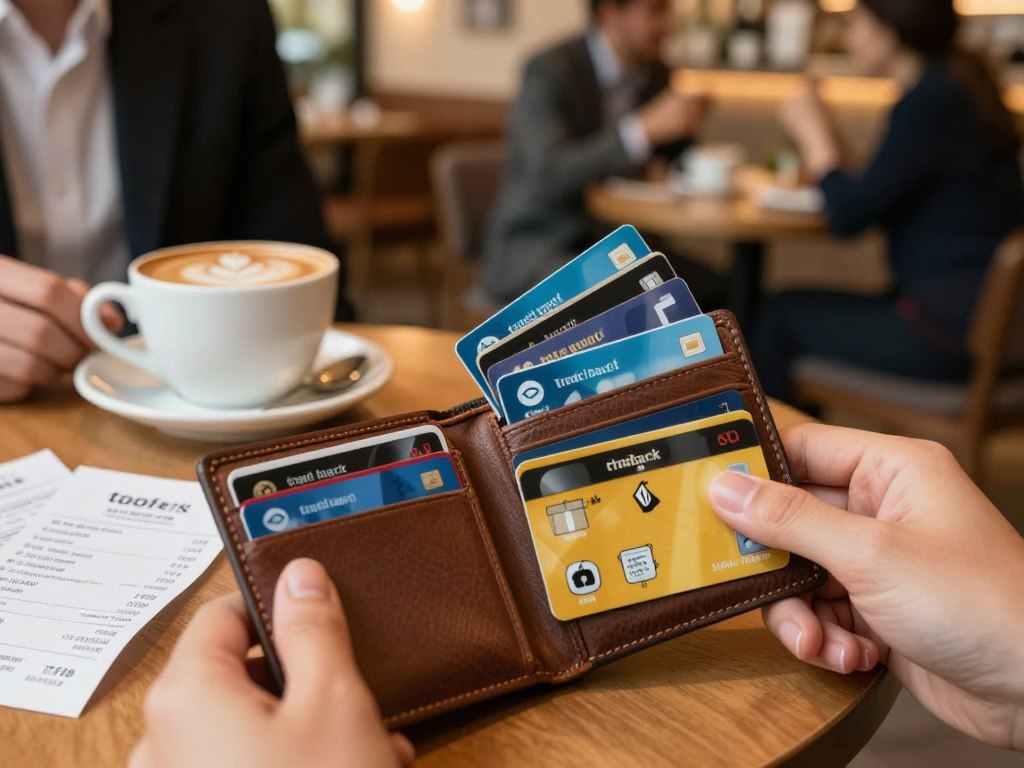
Cashback credit cards make earning simple. A flat-rate card, such as Citi Double Cash, gives about 2% back on all purchases. Category-based cards return higher percentages for groceries, gas, or dining. Some cards rotate categories each quarter, which can match targeted grocery or gas cash back periods.
You can pair a cashback card with store loyalty to compound savings. Use the card when the merchant’s program has no extra multiplier. That way you still capture the loyalty discount and the card’s percentage back. Check terms so you avoid overlapping exclusions.
Points system cards offer flexible redemption. Chase Ultimate Rewards and American Express Membership Rewards let you move points to airline or hotel partners, redeem for statement credits, or book travel. These cards often have bonus categories and welcome offers that accelerate earnings for frequent shoppers.
For grocery runs, choose a points-based card with a grocery bonus. Earn extra points, then transfer to partners for higher value during travel redemptions. That strategy turns routine spending into outsized rewards when you plan redemptions carefully.
Think about fees and APR. An annual fee can be worth it if member benefits and bonuses exceed the cost. Avoid carrying balances. Interest charges can erase any reward gains and make a rewarding card a poor deal.
Best practices help you optimize returns. Pay your balance in full each month. Prioritize cards whose bonus categories match your spending. Avoid redundant cards unless each one adds clear incremental value to your member benefits. Small planning choices add up to better savings over time.
Combining Rewards Programs for Greater Savings
By combining everyday rewards from different sources, you can save more without much extra effort. It’s like building a smart habit. Start by activating offers, choosing the best payment method, and tracking your progress. Over time, these small steps lead to big savings.
Stacking offers
Stacking offers means using multiple discounts at once. For example, you might clip a Target Circle deal, apply a manufacturer coupon, and then pay with a credit card that earns extra points. Digital stacking works the same way: enable a Kroger digital coupon in the app, scan your loyalty barcode, and check out with a cashback card to earn layered returns.
Real examples show the power of stacking. At Target, you can combine a Target Circle saving with a REDcard 5% discount and a credit card that gives bonus cashback. This increases the total savings beyond any single offer. Always read program rules first. Some promotions disallow combining coupons or extra discounts, and you do not want surprises at checkout.
Using multiple loyalty cards
Carry loyalty memberships that match your spending. Choose one grocery program, one large retail program, and a restaurant loyalty program. This ensures your everyday purchases earn reward points without spreading your effort too thin.
Organize accounts so you can use them quickly. Save cards in Apple Wallet or Google Wallet, or keep login details in a password manager. Prioritize programs by value and skip signups that add complexity but little return.
Track combined returns to confirm your strategy pays off. A simple spreadsheet or a budgeting app can show how many reward points you earn each month from each program. Review it quarterly to drop low-value memberships and focus on the ones that boost your net savings.
Local vs. National Rewards Programs
Local rewards and national loyalty programs have their own perks. Local programs offer tailored benefits that fit your neighborhood lifestyle. On the other hand, national programs provide a wide reach, advanced technology, and consistent points across the country. Using both can enhance your rewards without breaking the bank or cluttering your phone.
Benefits of Local Programs
Local shops and regional chains focus on building community bonds. A neighborhood coffee shop might offer a buy-9-get-1-free card that feels both simple and valuable. Independent pharmacies or co-op grocers might provide flexible terms, special event discounts, or coupons tied to local festivals.
These programs often offer higher redemption value per visit. You get offers that reflect local tastes and seasons. This creates customer benefits that feel personal and worth sticking with.
How National Programs Can Complement
Big brands like Starbucks, Target, Kroger, and Walmart offer convenience across many locations. Their apps track points, send timely coupons, and let you redeem rewards at scale. Use national programs for travel, big-box shopping, and predictable savings patterns.
Pair national scale with local perks for a smart strategy. Prioritize national memberships for places you visit in multiple cities. Join neighborhood loyalty program options where you shop regularly to capture specialized high-value perks.
Try this quick plan:
- Map your frequent stops and note which offer everyday rewards.
- Compare per-dollar value and ease of redemption for each loyalty program.
- Keep a short list of active cards or apps to avoid platform overload.
Balance gives you broad coverage and local wins. This mix helps you enjoy benefits from both worlds while supporting nearby businesses you care about.
Common Pitfalls to Avoid
Everyday rewards can seem like free money at first. But, small rules and costs can eat away at their value. It’s important to have good habits to keep your reward points and avoid hidden fees.
Understanding Expiration Dates
Expiration dates for rewards vary a lot. Some programs delete points after 12–24 months without activity. Others keep points active if you make a purchase within a certain time.
Grocery and retail programs might reset points if you don’t make qualifying purchases. Credit card points can disappear if you close the account. Always read the terms and understand any activity rules before counting on your points.
Set reminders for when points expire. Try to use and redeem points regularly to keep them from expiring. When you sign up, check if small actions like a one-dollar purchase count as activity.
Watching Out for Hidden Fees
Some loyalty rewards have hidden costs. Annual fees for premium tiers, redemption fees, or shipping costs can eat into your rewards. Programs like Walmart+ or VIP tiers might require regular use to be worth it.
Time spent on rewards can be costly. Chasing offers that require coupons, app check-ins, or location access might not be worth it. Using a credit card to earn points while paying interest can erase any benefits.
Look for fees like subscription costs, redemption surcharges, and shipping fees before joining. Compare the expected savings to the fees and time spent managing accounts.
- Over-enrollment fragmentation: Too many programs dilute value and complicate tracking.
- Promotion exclusions: Some offers exclude sale items, alcohol, prescriptions, or gift cards.
- Privacy trade-offs: Apps collect location and purchase data; opt out of marketing if privacy matters.
Do regular rewards audits. Check statements, cancel programs that don’t offer real value, and consolidate when you can. These steps help protect your loyalty rewards and keep points working for you without surprise fees.
Success Stories from Everyday Rewards Users
Real customers share their wins from using everyday rewards and loyalty programs. Small habits and smart choices turn routine purchases into real savings. These stories show how consistent effort adds up to big benefits and daily perks.
Real-Life Savings
A suburban family combines Kroger Plus fuel points with a 2% cashback credit card. Over a month, they save on groceries and gas. This small saving adds up to hundreds of dollars by year’s end for an average household.
A commuter uses Walmart+ for lower fuel prices and free shipping. The savings on fuel and fewer delivery fees often cover the membership fee within a few months.
Regular coffee and lunch buyers leverage Starbucks Rewards and Chipotle Rewards. Earning stars and points leads to dozens of free drinks or meals each year for frequent patrons.
Tips from Frequent Users
Savvy members suggest joining only programs that match your spending. Link a preferred credit card to your loyalty account when secure. Always activate in-app offers before you pay.
Set a weekly habit to clip digital coupons and check promotions. Use calendar reminders for expiring offers. Consolidate redemptions to get higher value from loyalty rewards.
Shift small routine buys to preferred partners during promo windows to speed up earnings. These simple behavior shifts lead to lasting benefits.
| Example | Primary Program | Key Tactics | Typical Annual Gain |
|---|---|---|---|
| Kroger household | Kroger Plus + 2% cashback card | Fuel points, weekly coupons, combined card rewards | $150–$400 |
| Commuter | Walmart+ | Shop essentials via free shipping, fuel discounts | $80–$300 |
| Coffee and lunch regular | Starbucks Rewards, Chipotle Rewards | Order ahead, double-star days, save toward free items | $100–$350 |
Future Trends in Everyday Rewards Programs
Technology is changing how we earn and use rewards. Now, mobile apps and digital wallets make it easy to use points at checkout. Contactless payments and APIs link your credit cards with loyalty accounts, adding up your rewards automatically.
Machine learning helps brands offer real-time coupons that match your habits. This means fewer irrelevant offers and more value for each visit.
New tools are also shaping the rewards landscape. Blockchain pilots are creating secure, transferable tokens for some loyalty program trials. Augmented reality promotions can make in-store trips more engaging.
Fintech partnerships with retail platforms promise unified dashboards. These dashboards let you track points, redemptions, and expirations in one place.
The rise of personalized rewards is clear. Brands use purchase data to send targeted coupons, birthday gifts, and bonus points in your preferred categories. This approach boosts redemption rates and makes membership feel more useful.
At the same time, you’ll see stronger privacy controls and consent-driven settings. These settings let you choose what data is used and how offers reach you.
Look ahead for deeper credit card and loyalty program integration. You’ll also see more AI-driven dynamic promotions and smoother cross-platform earning and redemption. Keep your apps updated, review program terms from time to time, and favor programs that show measurable value. These steps help you get the most from everyday rewards as personalization becomes the norm.